Build anti-staling, softness, resilience, and shelf-life performance into bakery improver blends, premixes, and dough-conditioning systems with Maltogenic Amylase.
Bakery improvers are no longer judged only at the mixer or proof box. The real test is the eating quality three, five, or seven days later: how the slice bends, how the crumb rebounds, how the bite still reads as moist rather than dry.
Maltogenic Amylase is designed for improver manufacturers, premix blenders, and bakery R&D teams that need dependable anti-staling performance inside a broader dough-conditioning system. It helps preserve softness and resilience by working on the starch phase during baking and early shelf life, supporting a longer window of fresh-eating texture without pushing the product toward gumminess or excess sweetness.
Maltogenic Amylase Solutions supplies maltogenic amylase wholesale to improver manufacturers, premix blenders and the ingredient distributors who serve bakeries.
Buying in bulk? Send the product you make, the quantity and the destination country; pricing and pack are quoted per order. Request a quote
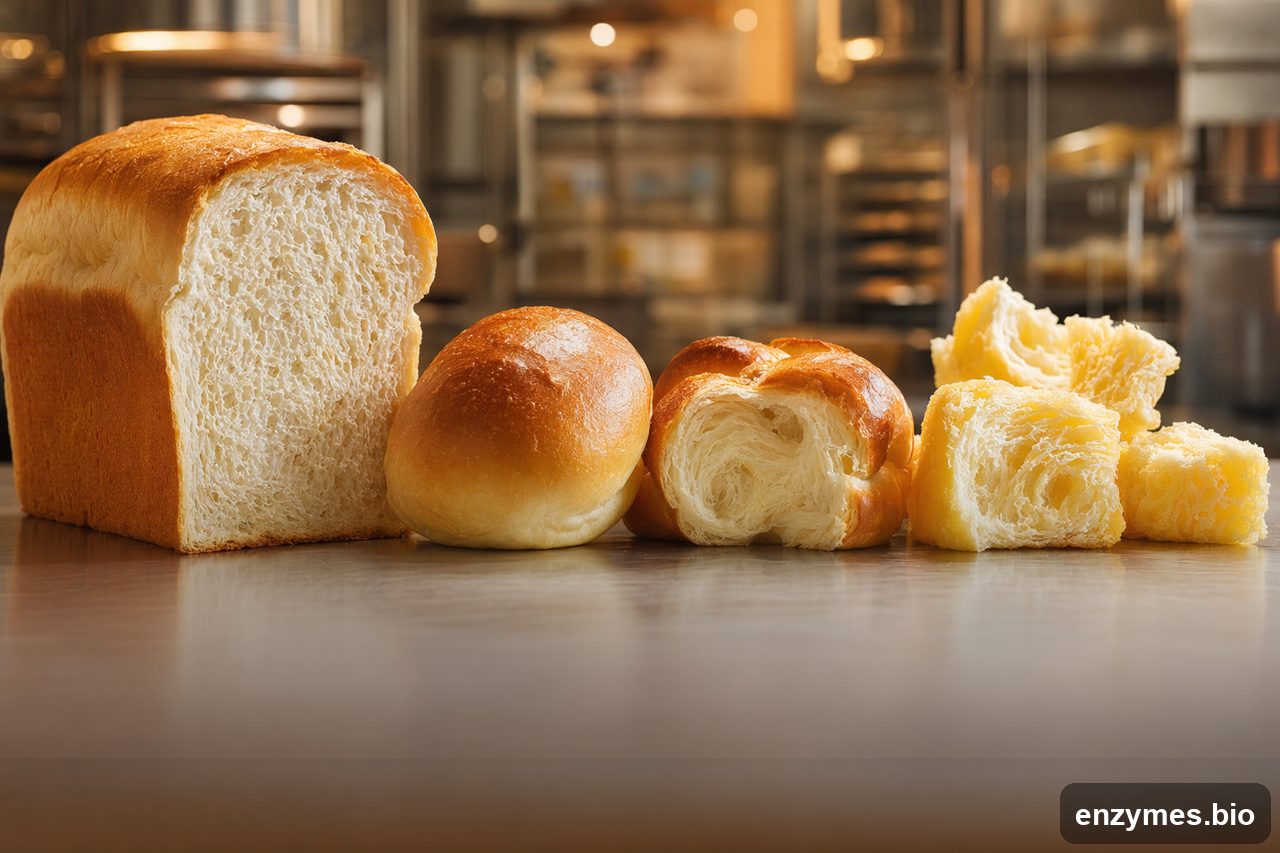
Maltogenic Amylase helps slow crumb firming by moderating starch retrogradation after baking. In finished bakery products, that can translate into:
For improver brands, the value is not simply “longer shelf life.” It is controlled softness: a crumb that remains pliable, cohesive, and pleasant to eat while still behaving predictably on industrial lines.
Maltogenic Amylase can be positioned as a core anti-staling component inside:
It is especially useful when an improver must deliver measurable softness retention while leaving room for dough strengtheners, emulsifiers, oxidizing or reducing systems, and complementary enzymes.
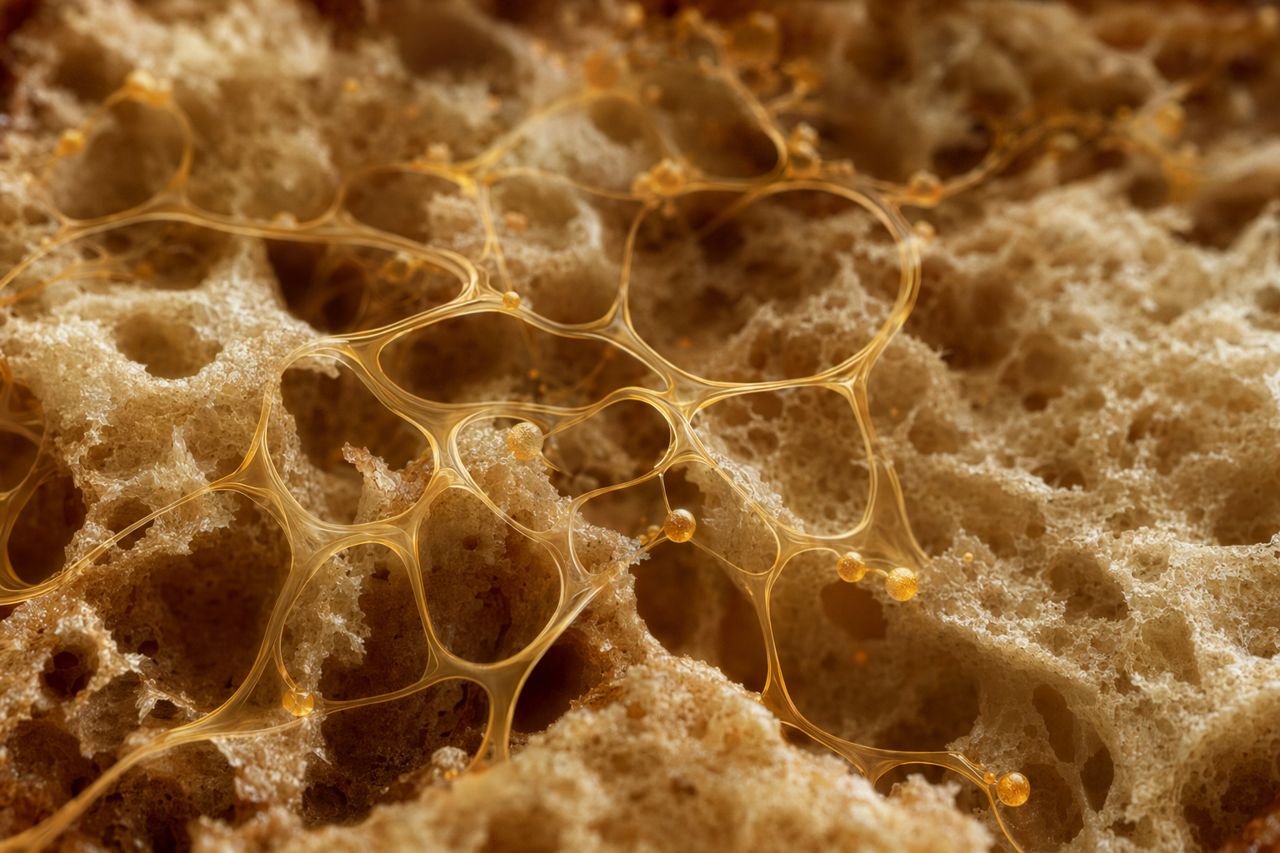
During baking, starch granules gelatinize and become part of the setting crumb structure. As the product cools and moves through storage, starch chains begin to reassociate. That reassociation is one of the major drivers of firming and perceived staling.
Maltogenic Amylase works selectively on the starch fraction, helping create a crumb structure that resists rapid firming. The result is a more stable softness curve across distribution and retail holding, particularly in packaged products where texture loss is immediately noticeable to the consumer.
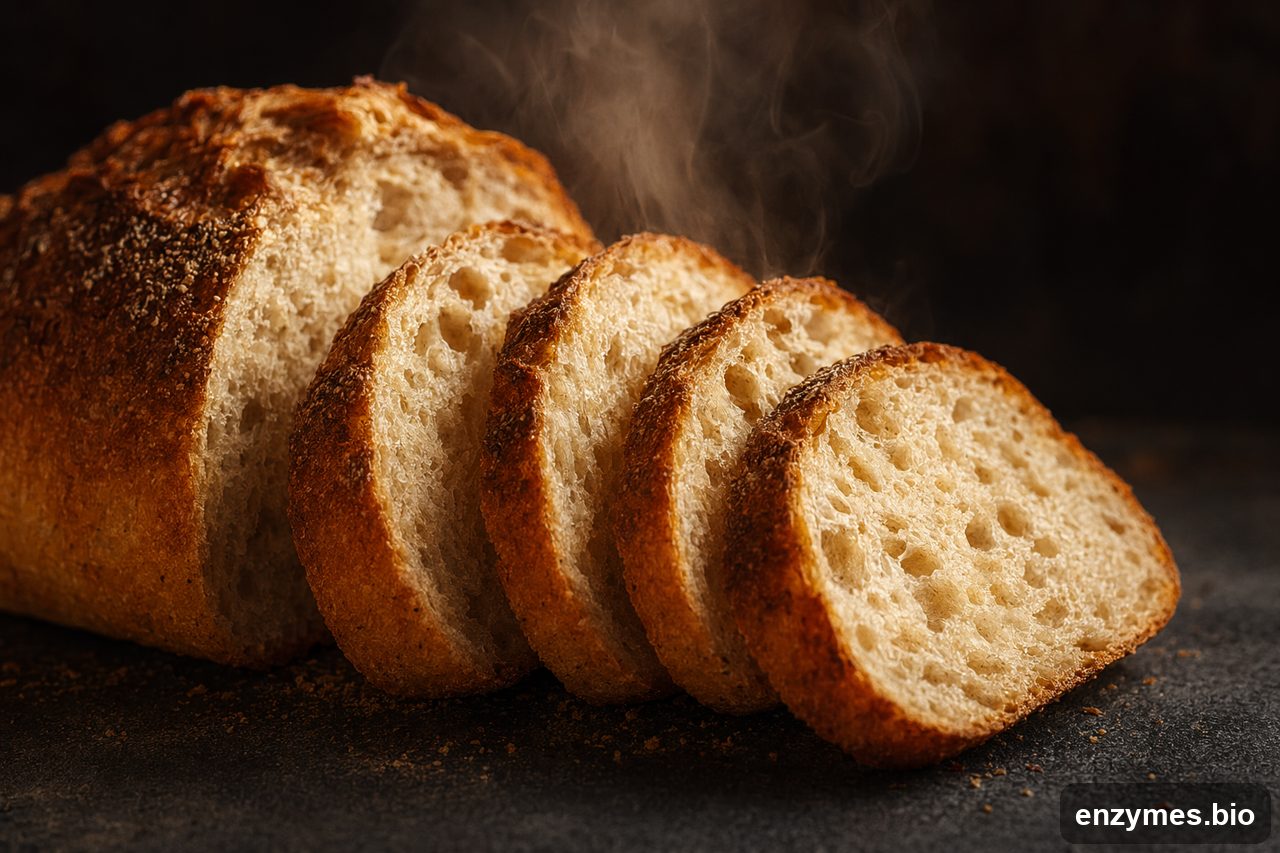
Maltogenic Amylase allows improver manufacturers to build softness retention directly into the premix instead of asking the baker to manage another separate ingredient stream.
It can be evaluated alongside emulsifiers, gluten-strengthening systems, fungal amylases, xylanases, lipases, and other dough-conditioning technologies. The best results come when each component has a defined job: dough handling, volume, crumb openness, softness, or processing tolerance.
A good anti-staling system should not taste engineered. Maltogenic Amylase Solutions supports a tender, fresh-eating crumb profile while helping formulators avoid the heavy, sticky, or overly sweet effects that can occur when starch modification is not balanced.
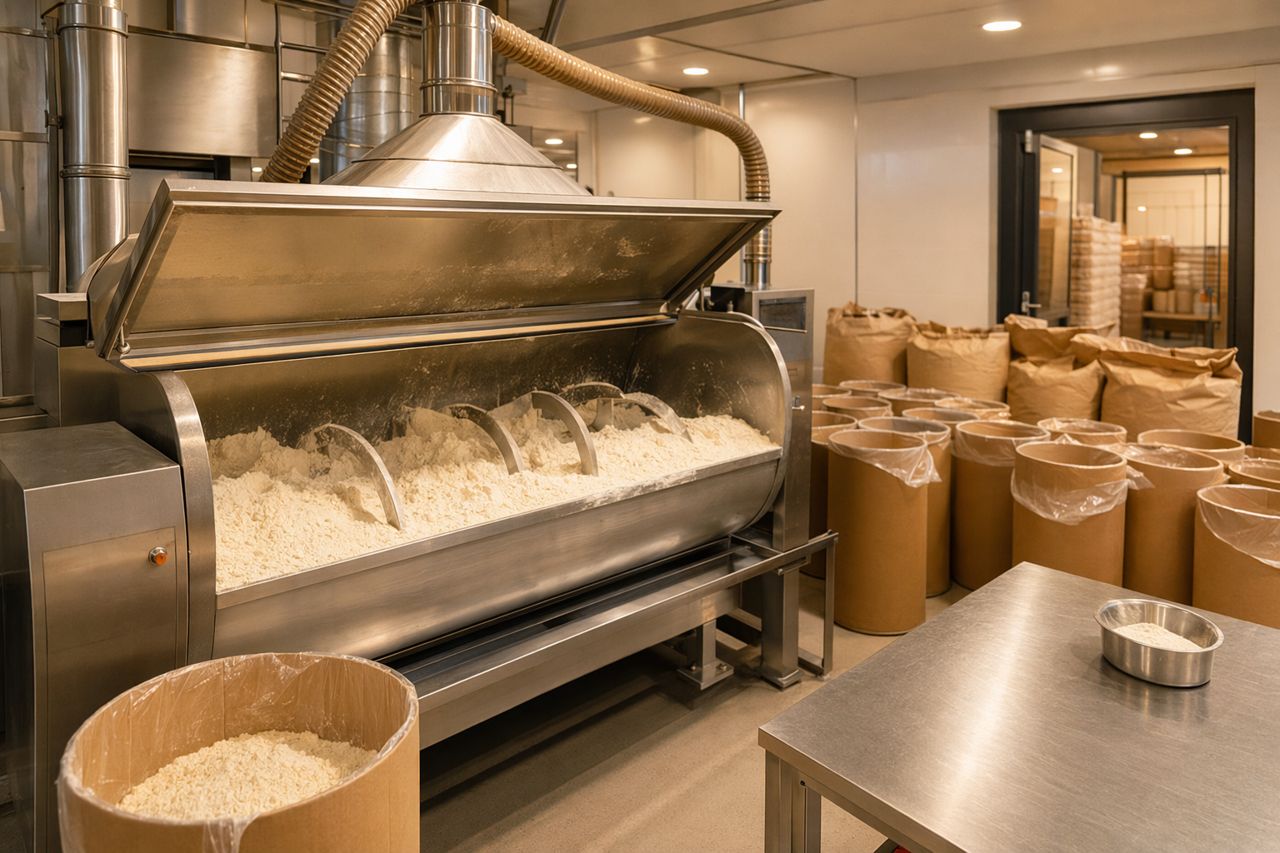
For dry improver and premix operations, ingredient behavior matters. Maltogenic Amylase Solutions grades can be selected for blend uniformity, handling profile, and compatibility with the intended carrier system.
Use Maltogenic Amylase when your improver program is targeting:
When developing an improver system with Maltogenic Amylase, evaluate performance through the whole product life cycle, not just day-one softness.
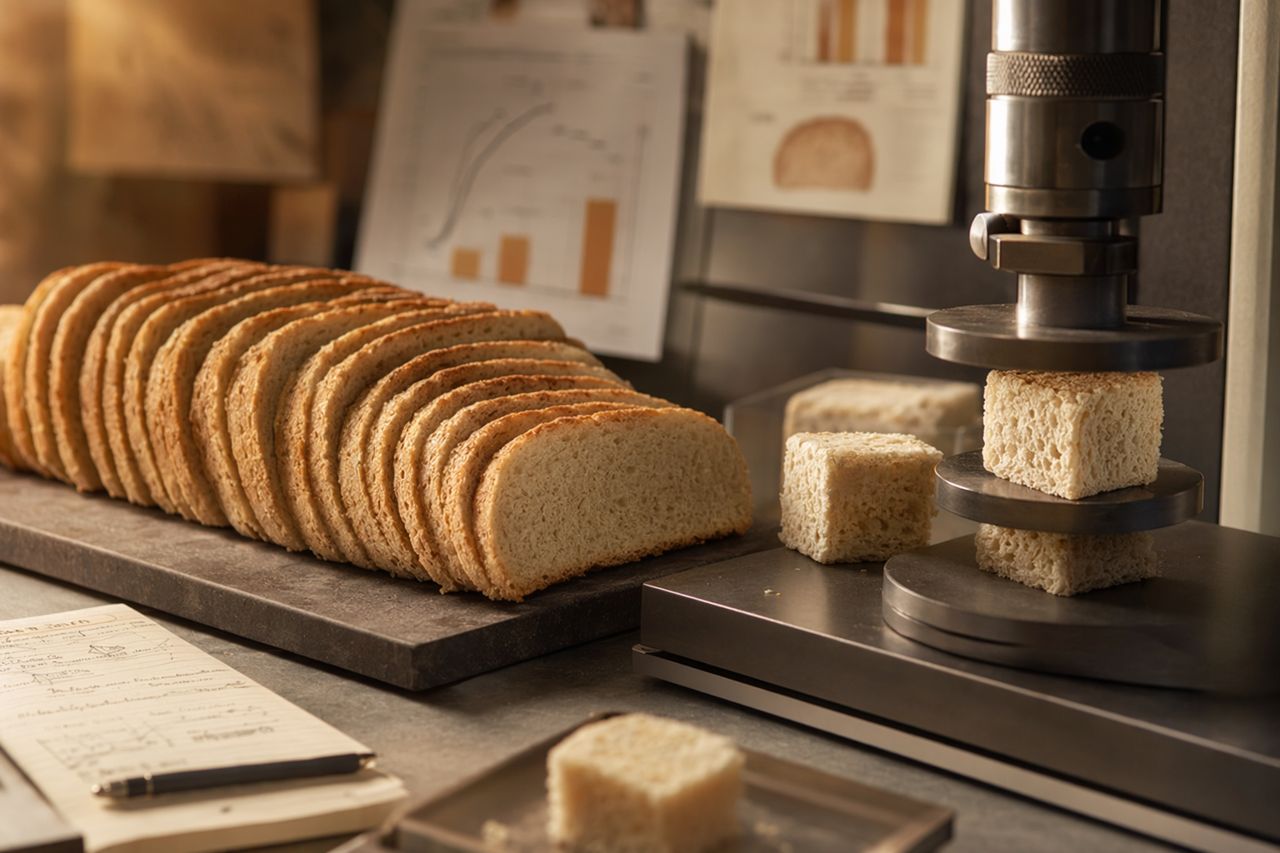
Recommended checkpoints include:
The optimal level depends on flour quality, formula richness, water management, bake profile, package, and the target softness curve. Maltogenic Amylase Solutions can support evaluation across these variables without requiring a one-size-fits-all approach.
For purchasing and technical teams, Maltogenic Amylase Solutions provides bakery-focused ingredient support for industrial improver programs, including:
Enzyme labeling and processing-aid treatment vary by jurisdiction and finished product context. Always confirm local requirements with your regulatory team.
Maltogenic Amylase Solutions is built around one performance idea: extend the life of softness without flattening the character of the bread.
That means technical restraint, sensory discipline, and formulation support that respects how real bakeries work. The enzyme is only one component of the improver, but when it is chosen well, it can shape the entire shelf-life experience.
Tell us the improver or premix you are building, the bakery format it is sold into, the quantity per order or per month, and the destination country. Use the inquiry form on this page. Pricing, pack format and lead time are quoted per order. Request a quote
Tell us your application and volume — we reply with pricing and lead time.
We have received your message. We will reply by email.