Explore how Maltogenic Amylase supports controlled starch conversion, fermentable carbohydrate formation, adjunct processing, and consistent fermentation performance in selected brewing systems.
Brewing is a carbohydrate conversation: starch becomes dextrin, dextrin becomes fermentable sugar, and the final beer depends on how cleanly that conversation is controlled. Maltogenic Amylase is selected for mashing, adjunct, and fermentation processes where breweries need a measured shift in fermentable carbohydrate profile without losing sight of body, process rhythm, and finished-drink character.
In grain-based beverages, the enzyme helps trim starch-derived chains into maltose-rich fractions under suitable process conditions. For R&D, that means another lever for attenuation, extract utilization, and fermentation predictability. For production, it means a practical route to more consistent carbohydrate conversion when malt quality, adjunct ratio, or mash design changes.
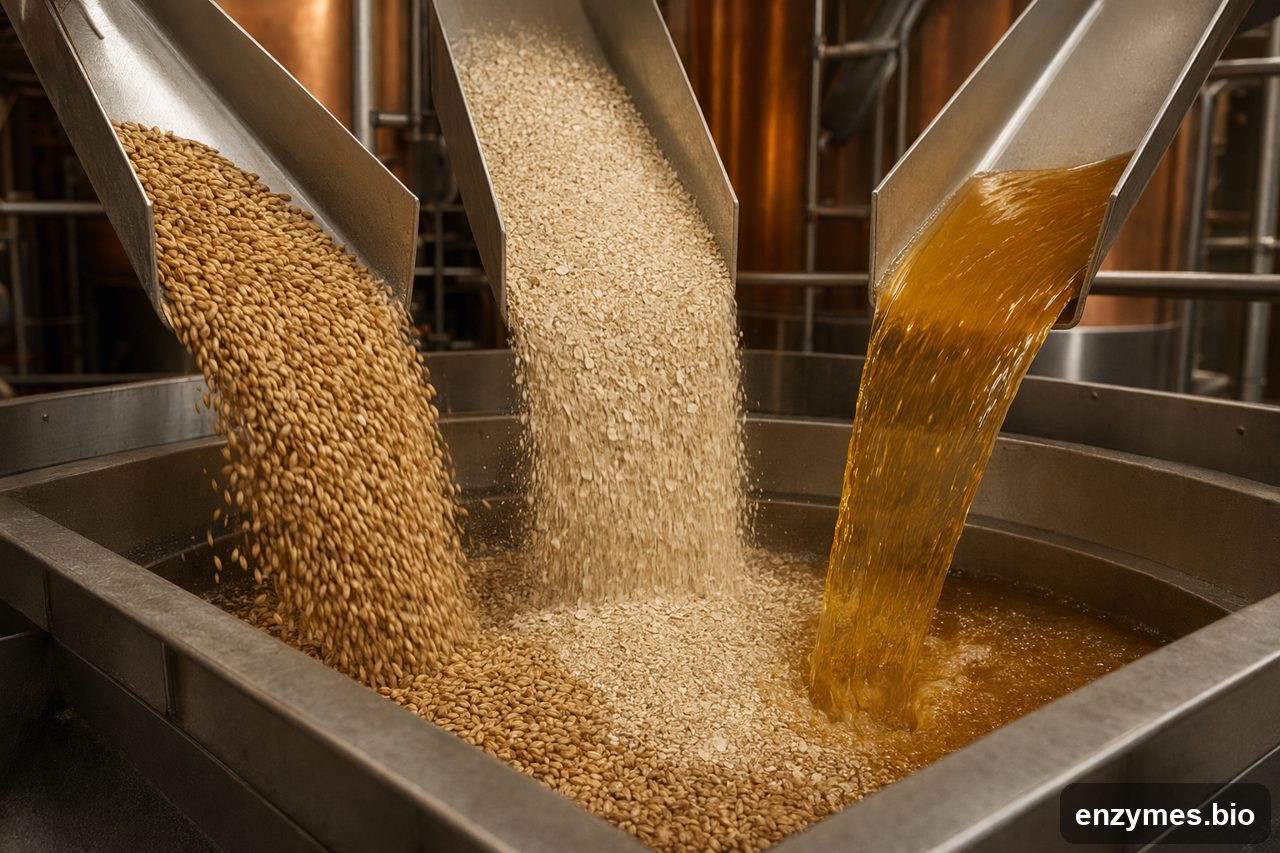
Maltogenic Amylase Solutions supplies maltogenic amylase in bulk to breweries, distilleries, grain-fermentation plants and the ingredient distributors who serve them. Request a quote: send the process (mash, adjunct conversion, high-gravity, distilling), the quantity and the destination country; pricing and pack are quoted per order. Request a quote
Maltogenic Amylase is typically considered when a brewing or fermentation process needs more precise management of starch-derived carbohydrates. It can be evaluated in:
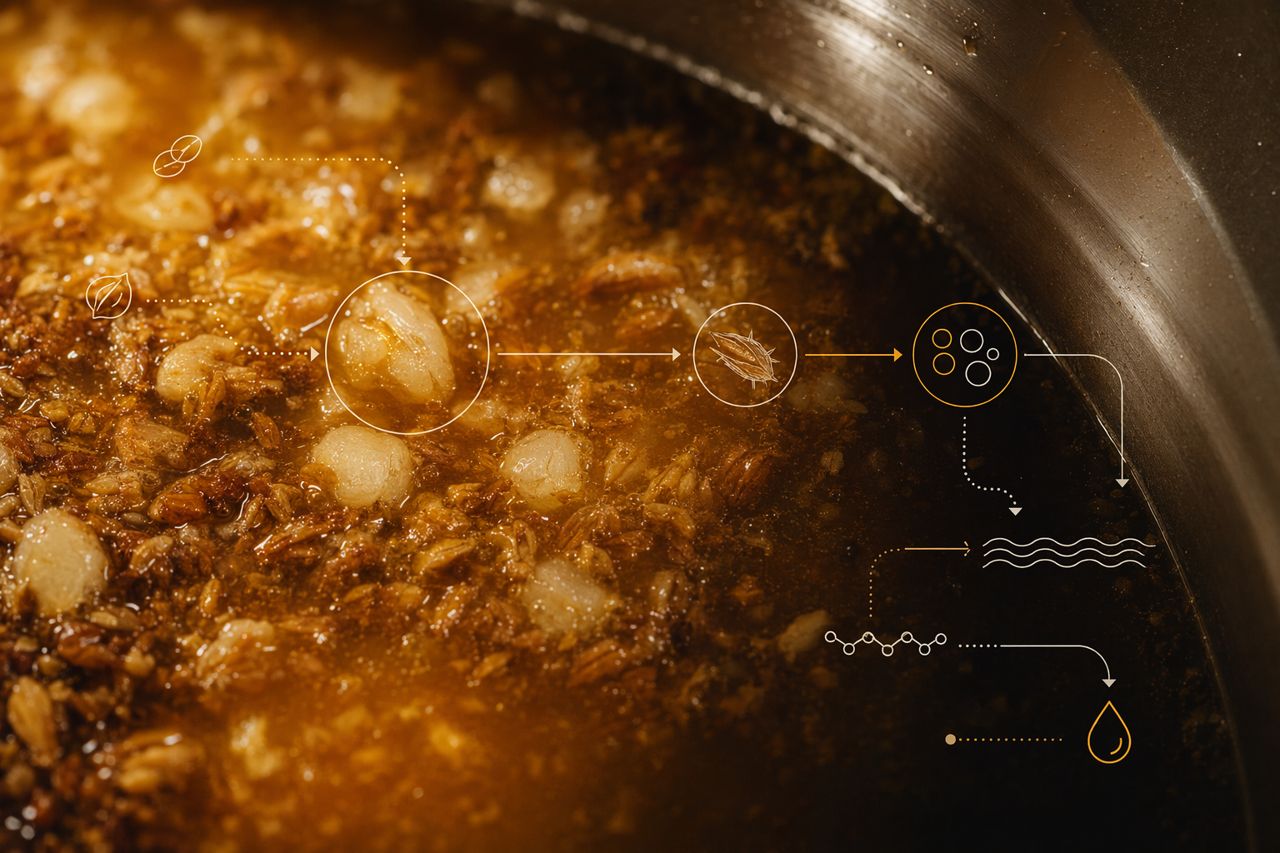
Maltogenic Amylase acts on starch-derived dextrins to encourage formation of fermentable maltose and related shorter carbohydrates. Used within a compatible process window, it can help brewers and fermentation teams refine the balance between conversion, attenuation, and residual texture.
R&D and production teams usually evaluate Maltogenic Amylase against questions such as:
The value of Maltogenic Amylase is not simply “more sugar.” It is better control over the kind of carbohydrate profile available to yeast. In selected mash or fermentation systems, that can support cleaner attenuation targets, reduced process variability, and a more disciplined finished-beer specification.

Adjuncts can bring cost, regional sourcing, flavor, color, and product-positioning advantages. They can also bring conversion variability. Maltogenic Amylase helps formulation teams unlock adjunct starch streams more predictably, especially when native malt enzyme contribution is limited or inconsistent.
High-gravity brewing depends on extract, fermentation performance, and dilution behavior aligning tightly. By improving the availability of fermentable carbohydrates from starch-derived substrates, Maltogenic Amylase can help teams evaluate stronger wort targets while managing final gravity and sensory balance.
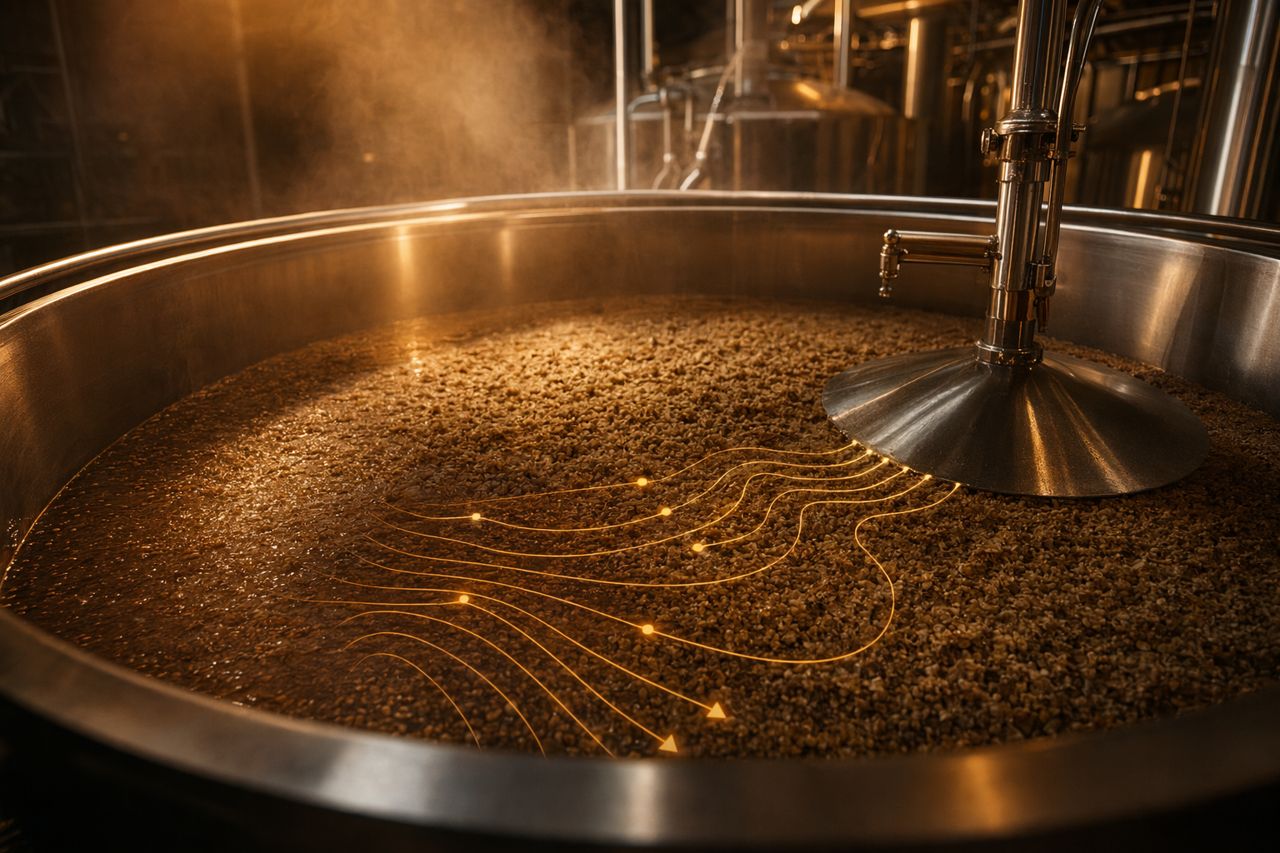
Malt is agricultural. Adjuncts vary. Grind, hydration, temperature profile, and mash thickness all influence conversion. Enzyme-assisted carbohydrate management gives production teams a stabilizing tool when raw materials move but specifications do not.
Maltogenic Amylase should be evaluated as part of the full mashing and fermentation design, not as an isolated additive. The right use level depends on substrate, mash temperature profile, pH, residence time, adjunct ratio, yeast strain, desired attenuation, and finished sensory target.
A disciplined bench-to-brewhouse plan is the fastest way to understand value.
Maltogenic Amylase may be used alongside other enzyme classes, depending on the process objective. Alpha-amylase, glucoamylase, beta-glucanase, protease, and pullulanase all influence wort structure differently. The important point is sequence and balance: too much carbohydrate breakdown can push a beer beyond its intended body, while too little may leave extract behind.
Maltogenic Amylase Solutions supports trials focused on practical process fit: what the enzyme is expected to change, how that change will be measured, and where the sensory boundary sits.
For procurement teams, selection is not only technical. It includes supply format, handling, documentation, batch consistency, lead time, allergen-positioning requirements, and fit with internal quality systems. Maltogenic Amylase Solutions provides B2B supply support for Maltogenic Amylase with documentation appropriate for industrial brewing and fermentation evaluations.
If you are evaluating maltogenic amylase for mashing, adjunct conversion, high-gravity brewing or grain fermentation, use the inquiry form on this page with your process outline, the quantity per order or per month, and the destination country. We reply by email with product-fit guidance and a quote. Request a quote
Maltogenic Amylase performance depends on recipe architecture and process conditions. Pilot validation is recommended before commercial implementation, particularly where style body, residual sweetness, or alcohol target is tightly specified.
Tell us your application and volume — we reply with pricing and lead time.
We have received your message. We will reply by email.