Controlled maltogenic amylase performance for modifying gelatinized starch in bakery and starch-rich systems, improving softness, resilience, mild sweetness, and shelf-life behavior.
Starch is not static once heat and water enter the system. It swells, gelatinizes, reorganizes, firms, and changes the way a finished product eats over time. Maltogenic Amylase is used where bakery and starch-based product teams need controlled conversion of gelatinized starch into smaller carbohydrates — enough to influence texture, sweetness, resilience, and handling, without pushing the product into stickiness or loss of structure.
For R&D teams, it is a precision tool for crumb softness and starch behavior. For production teams, it helps create more forgiving eating quality across shelf life. For procurement teams, it offers a functional enzyme route to texture performance without adding bulk ingredients that may complicate labels, storage, or process flow.
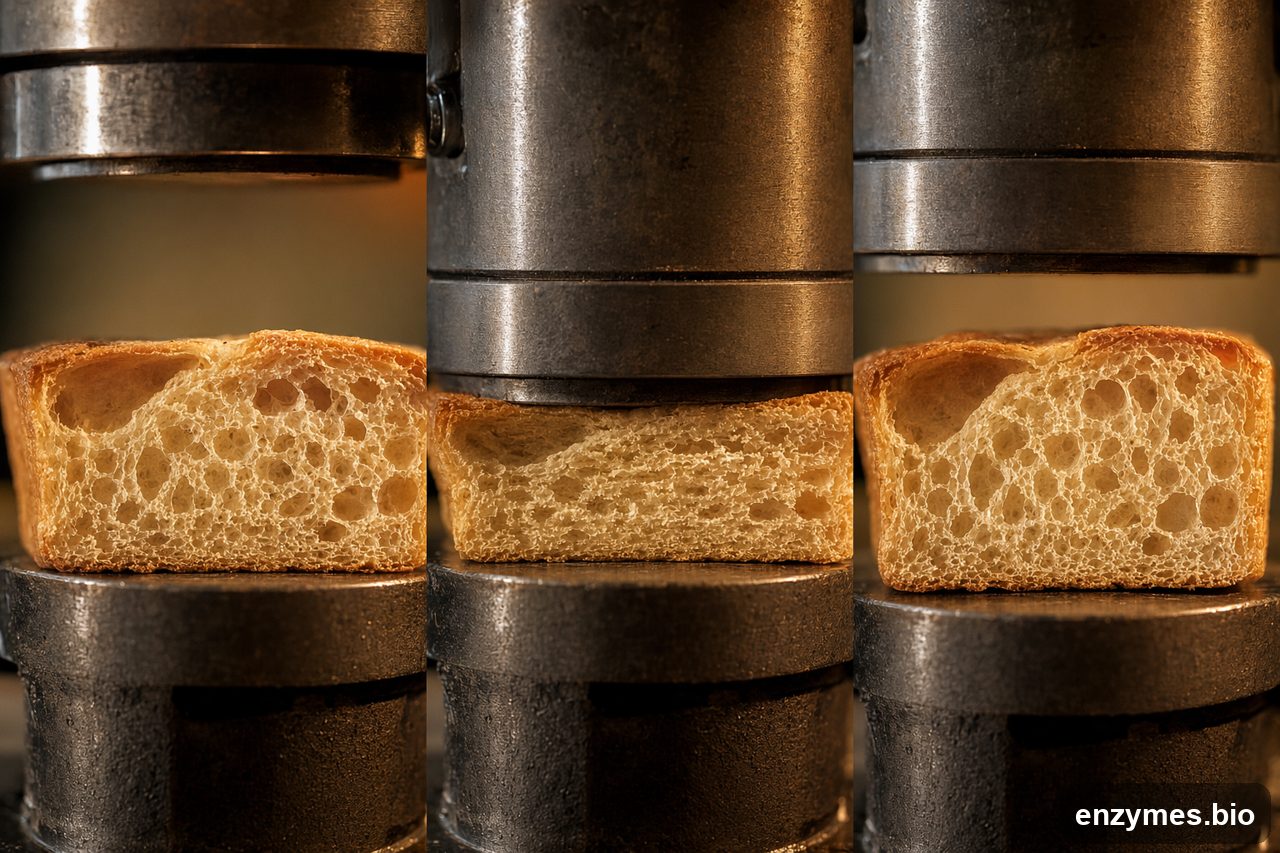
Maltogenic Amylase Solutions supplies maltogenic amylase in bulk to bakery and starch-based food manufacturers, ingredient blenders and distributors.
Buying in bulk? Send the product you make, the quantity and the destination country; pricing and pack are quoted per order. Request a quote
Maltogenic Amylase acts on gelatinized starch, especially after heat and moisture make starch chains more accessible. Its practical value is not simply starch breakdown; it is controlled starch modification.
In bakery and related thermal systems, this means:
The goal is controlled conversion — not excessive thinning, gumminess, or collapse.
Maltogenic Amylase is suited to applications where starch gelatinization occurs during processing and where texture quality matters after cooling, packing, distribution, and storage.
| Development goal | How Maltogenic Amylase can help | What to monitor |
|---|---|---|
| Extend softness | Modifies gelatinized starch to slow firming behavior | Crumb firmness over time, slice recovery, sensory softness |
| Improve resilience | Supports a crumb that compresses and recovers more pleasantly | Elasticity, chew, handling after packing |
| Reduce dry bite | Limits harsh starch recrystallization effects in stored products | Day-after and end-of-shelf-life eating quality |
| Support mild sweetness | Generates smaller carbohydrates that can round perceived sweetness | Flavor balance, browning, fermentation interaction |
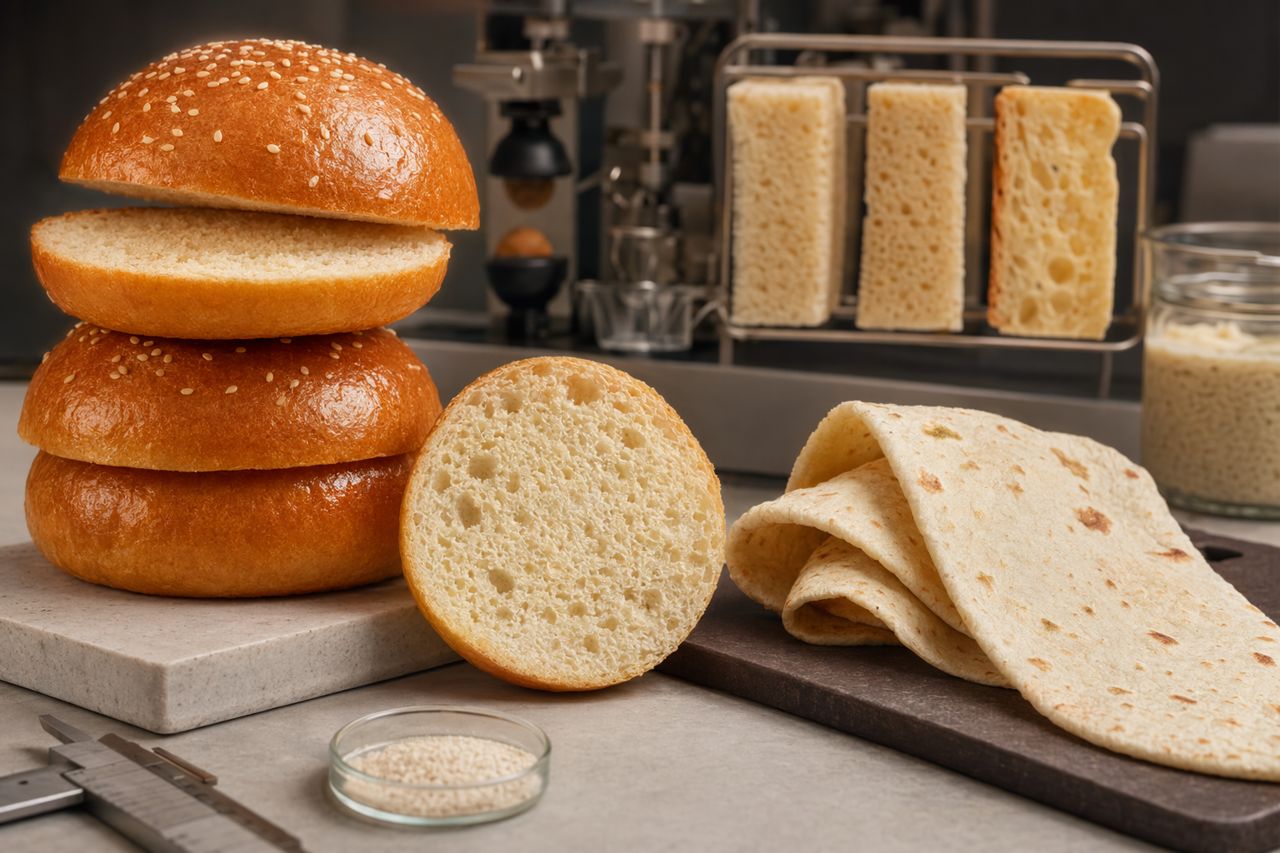
| Improve foldability | Helps starch-rich breads and flatbreads remain pliable | Rollability, cracking, tearing, warm/cold handling |
| Fine-tune process behavior | Alters starch-derived viscosity and texture development | Batter or dough behavior, bake profile, finished structure |
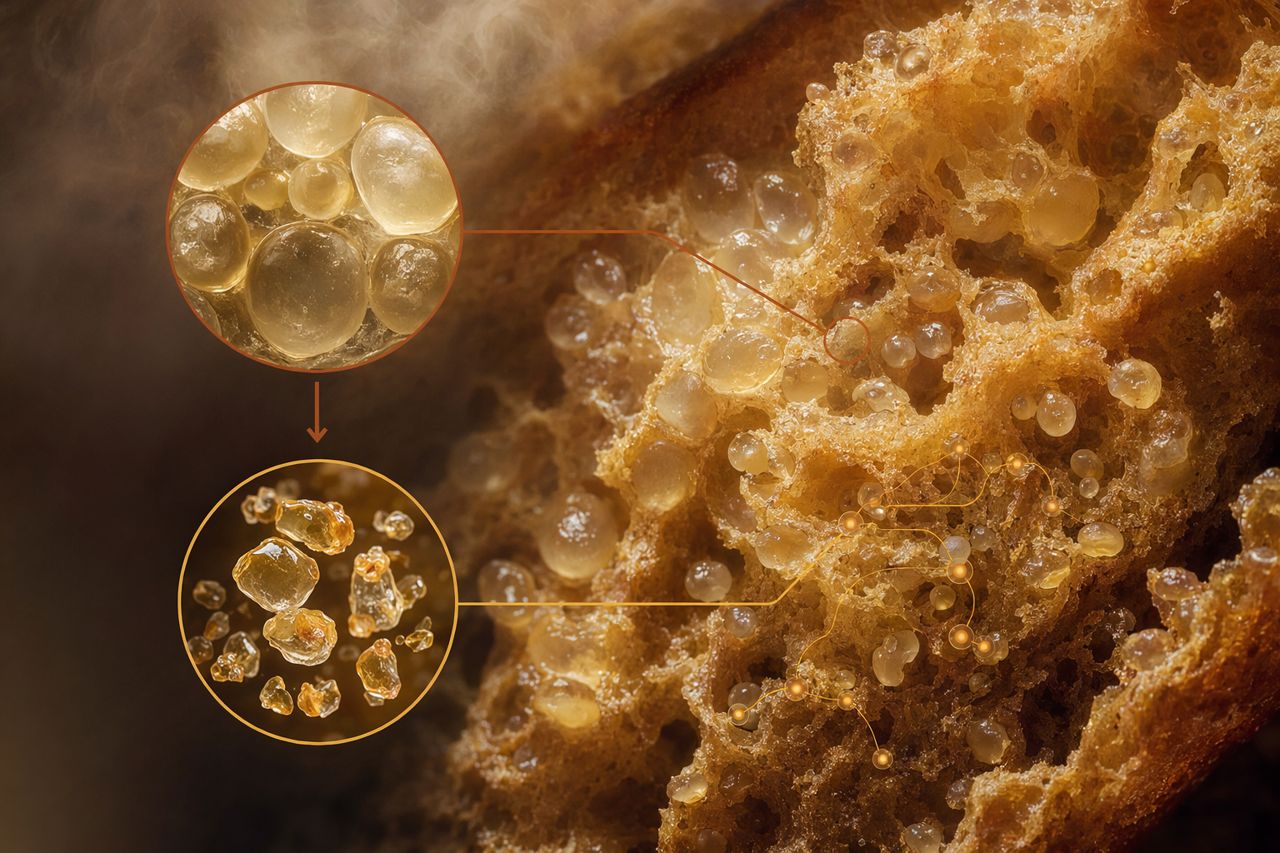
During baking or other thermal processing, starch absorbs water and gelatinizes. At that point, starch chains become more available for enzymatic action. Maltogenic Amylase modifies these chains in a controlled way, generating smaller carbohydrate fractions that interfere with the starch reassociation responsible for firming.
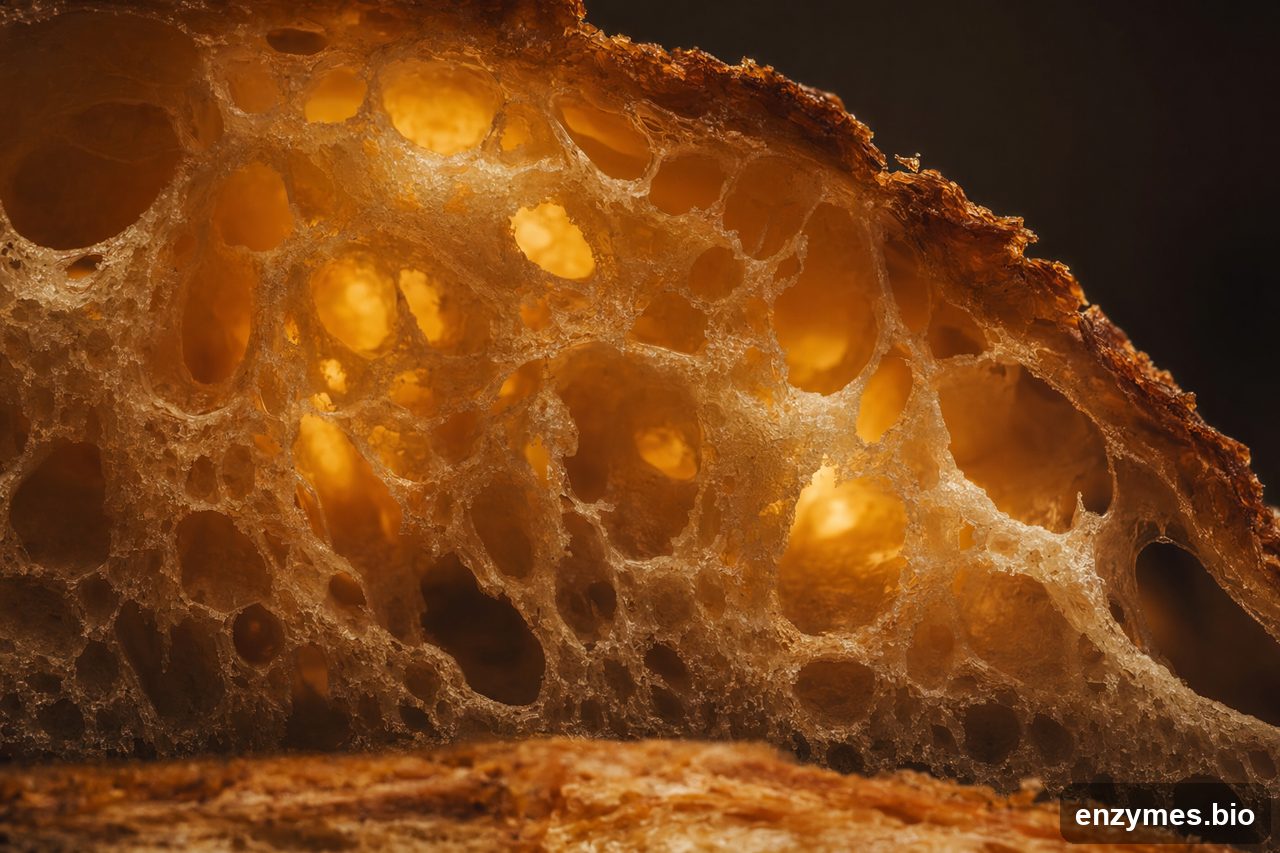
That matters because much of the stale, dry, or rigid eating quality in bread is driven by starch retrogradation — especially changes in amylopectin structure over time. By changing the starch profile during the heat process, Maltogenic Amylase helps the product retain a softer, more resilient crumb through distribution and storage.
The enzyme is typically selected when the desired outcome is shelf-life softness rather than aggressive starch liquefaction.
Performance depends on the full formula: flour quality, damaged starch, water absorption, sugar level, fat system, emulsifiers, improvers, fermentation, baking profile, and packaging. A lean pan bread and a high-sugar bun will not respond identically.
Maltogenic Amylase needs accessible starch. In most bakery systems, that accessibility develops during heating. The process should provide enough moisture and thermal exposure for the enzyme to act before the product structure is fully set and before the enzyme is inactivated by heat.
Too much starch conversion can shift the product toward gumminess, weak slice structure, excessive tack, or an overly moist eating character. Development trials should look beyond day-one softness and evaluate the complete shelf-life curve.
Maltogenic Amylase can be used alongside other bakery enzymes or functional systems, but the combination should be built deliberately. When paired with alpha-amylase, xylanase, lipase, emulsifiers, oxidizing systems, or reducing agents, monitor both dough handling and finished crumb quality. The best result is usually a balanced system, not a louder one.
For starch modification work, Maltogenic Amylase Solutions recommends evaluating both instrumental and sensory outcomes:
A successful trial should deliver softness with structure: a crumb that feels tender, elastic, and fresh — not wet, weak, or artificially prolonged.
Maltogenic Amylase is intended for industrial bakery and starch-processing teams that need consistent functional performance, practical formulation support, and supply documentation aligned with B2B manufacturing requirements.
Typical procurement questions include:
For regulatory and labeling treatment, manufacturers should confirm requirements for their market, product category, and declaration rules.
Choose Maltogenic Amylase when the problem is starch-driven texture loss: firming, dryness, loss of resilience, cracking, or stale bite. It is especially useful when the product is acceptable on day one but declines too quickly during normal distribution.
It is not a substitute for good flour selection, hydration, mixing, baking, or packaging. It is most powerful when used as part of a complete starch and texture strategy.
Tell us the product, how its texture changes over shelf life, the quantity per order or per month, and the destination country. Use the inquiry form on this page. Pricing, pack format and lead time are quoted per order. Request a quote
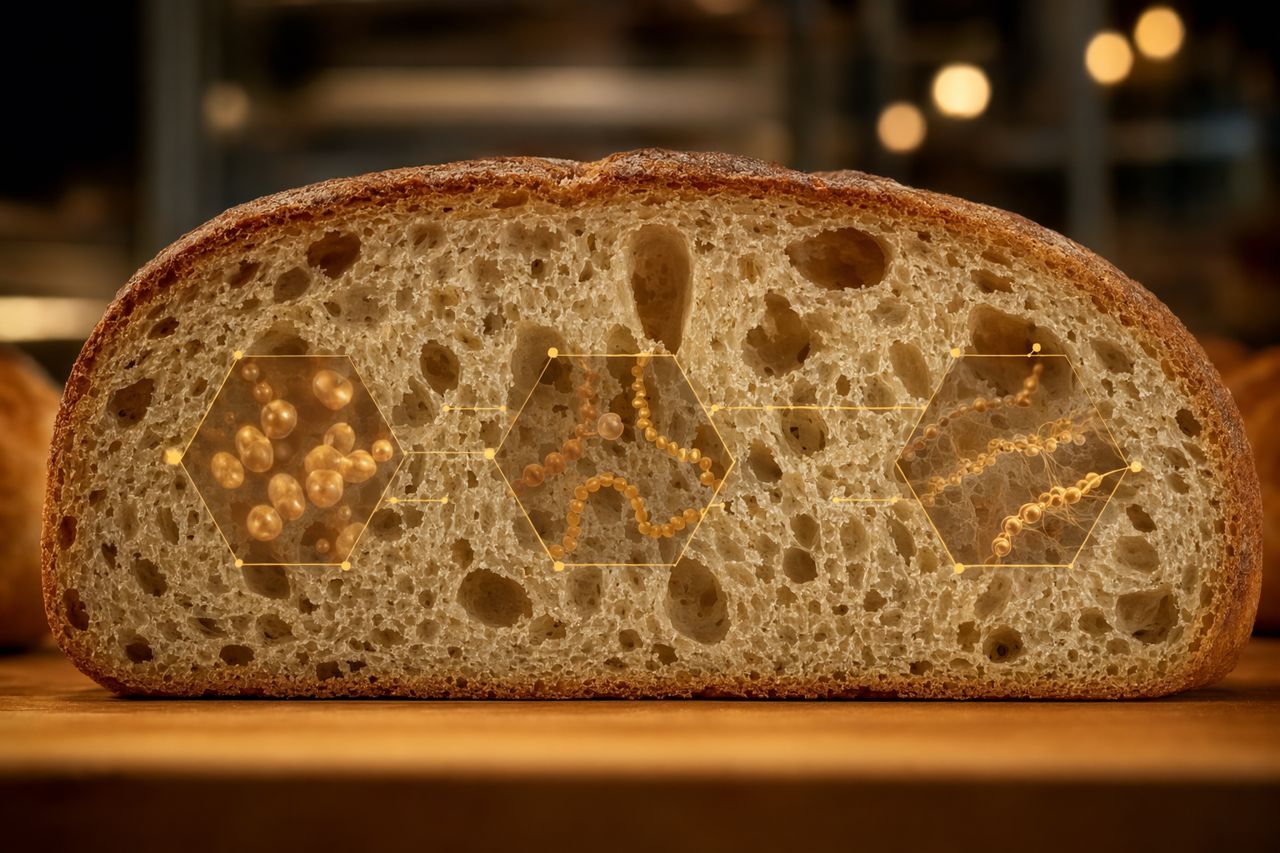
Tell us your application and volume — we reply with pricing and lead time.
We have received your message. We will reply by email.