Maltogenic Amylase for cereal-based foods: support softness, resilience, shelf-life, and controlled starch behavior in baked, cooked, and extruded grain systems.
Cereal-based foods live or fade by the way starch behaves after heat. In bread, buns, tortillas, steamed breads, cakes, filled bakery, cooked grain formats, and extruded snacks, starch gelatinization builds structure — then retrogradation begins to take it back.
Maltogenic Amylase helps bakery and grain-food teams manage that curve. It is used to influence softness, crumb resilience, foldability, bite, and the rate of firming over shelf life, while also modifying the profile of starch-derived carbohydrates formed during processing.
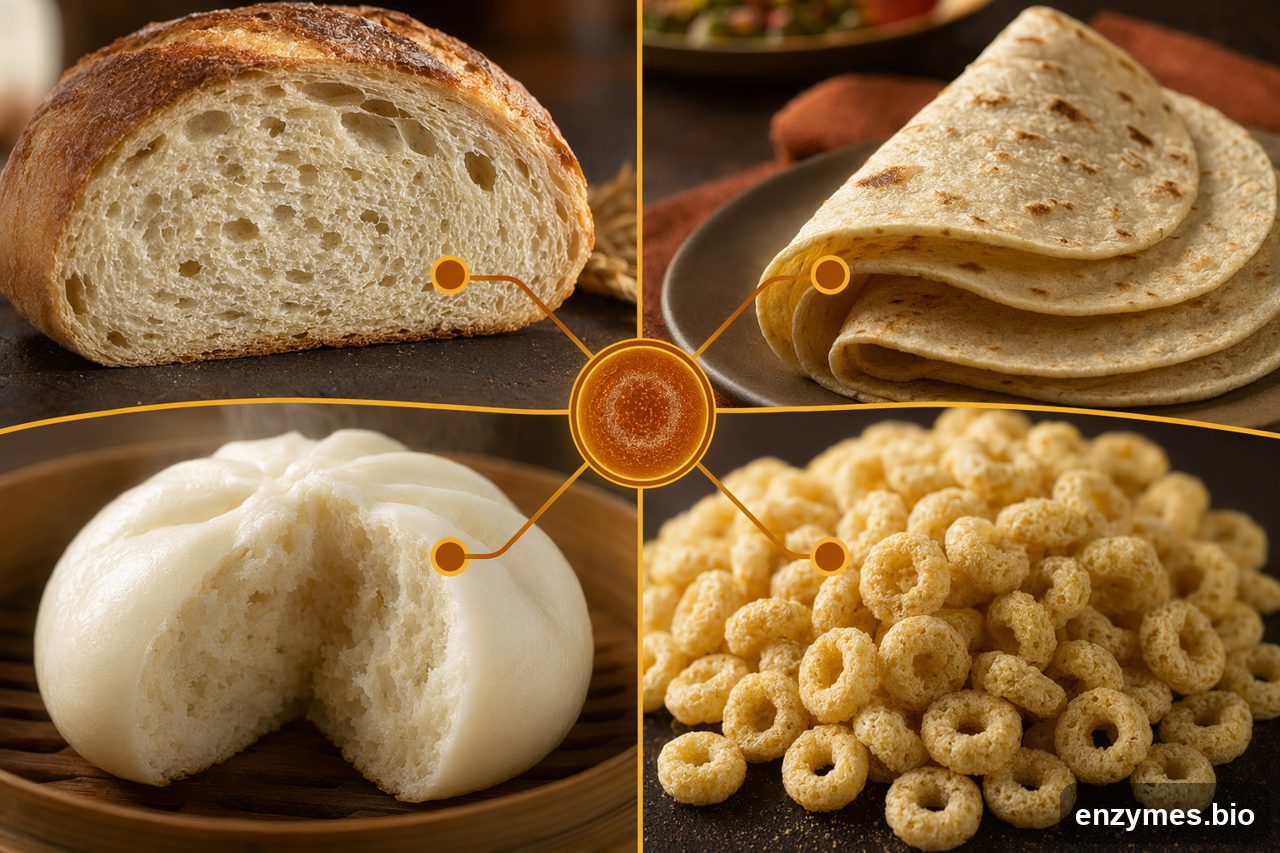
This is not a generic "freshness enzyme" position. It is a formulation tool for food manufacturers, ingredient blenders and distributors that need controlled performance in real cereal matrices, from bread to cooked rice.
Request a quote: send the product you make, the quantity and the destination country. Pricing and pack are quoted per order. Request a quote
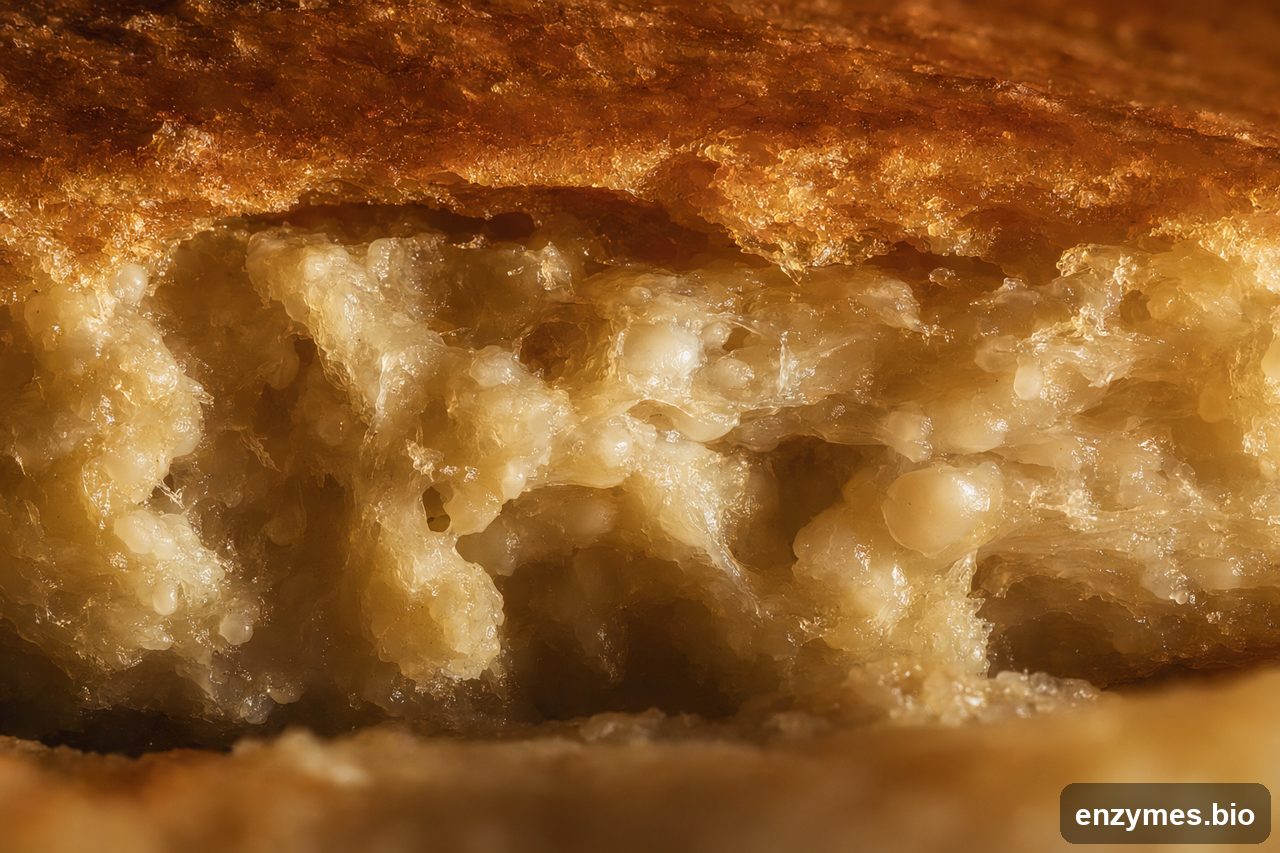
Maltogenic Amylase acts on gelatinized starch, with particular relevance to amylopectin chains involved in recrystallization and firming. In practical terms, it can help slow the texture changes that consumers read as stale, dry, rigid, or brittle.
For R&D and production teams, that can translate into:
Maltogenic Amylase is relevant across cereal-based foods where starch is hydrated and heated enough to become enzyme-accessible.
Use it to support softness and spring in pan bread, sandwich bread, buns, rolls, sweet bakery, laminated soft products, muffins, and cakes. It is especially useful where the product must survive slicing, bagging, freezing, thawing, or multi-day ambient distribution.
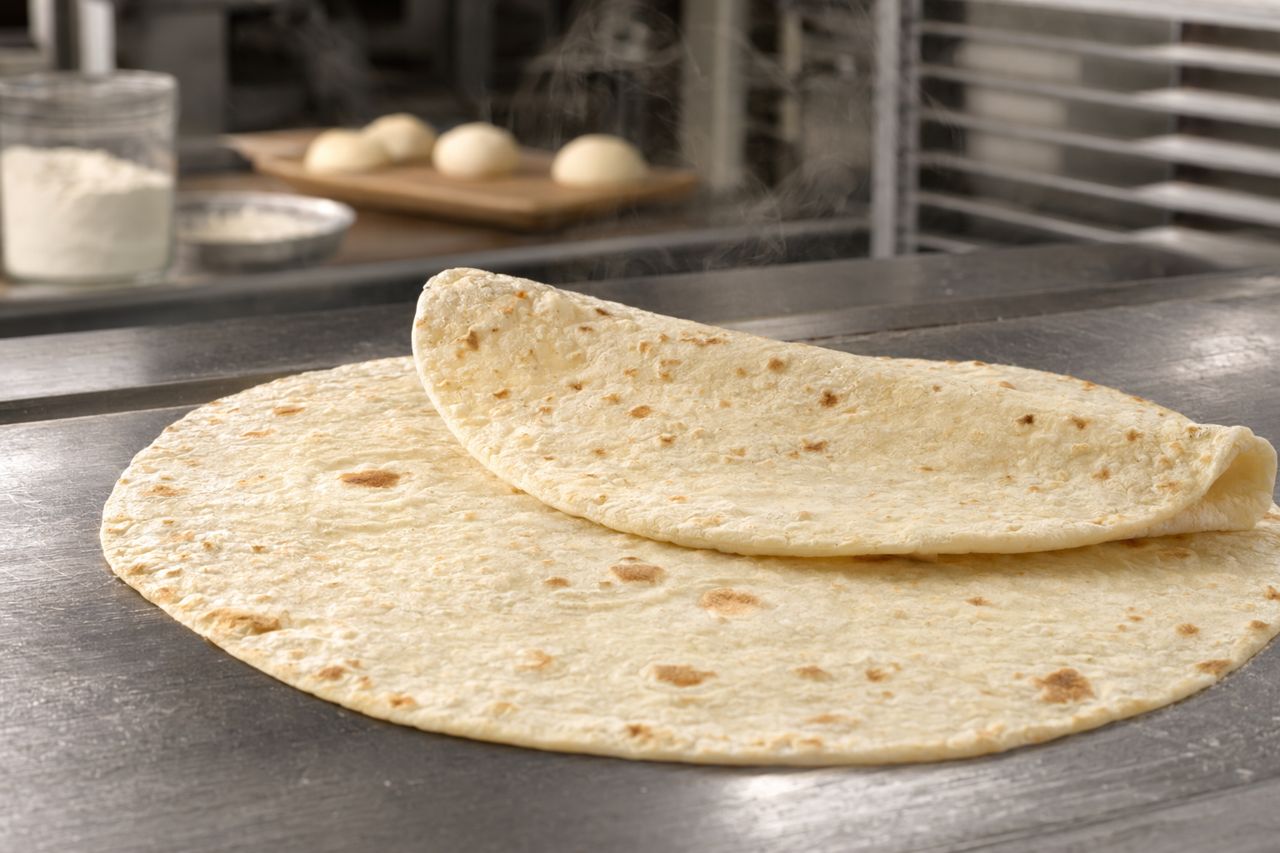
In wraps, tortillas, pita-style breads, and other flexible cereal sheets, Maltogenic Amylase can help reduce cracking and improve rollability over time. The goal is not simply a softer product; it is a product that bends, folds, and recovers without feeling gummy.
In steamed breads, dumpling wrappers, rice- or wheat-based cooked formats, and hybrid cereal systems, the enzyme can be used to influence post-cook firmness and bite. Formulation context matters: moisture, pH, cereal type, and thermal hold determine the useful performance window.
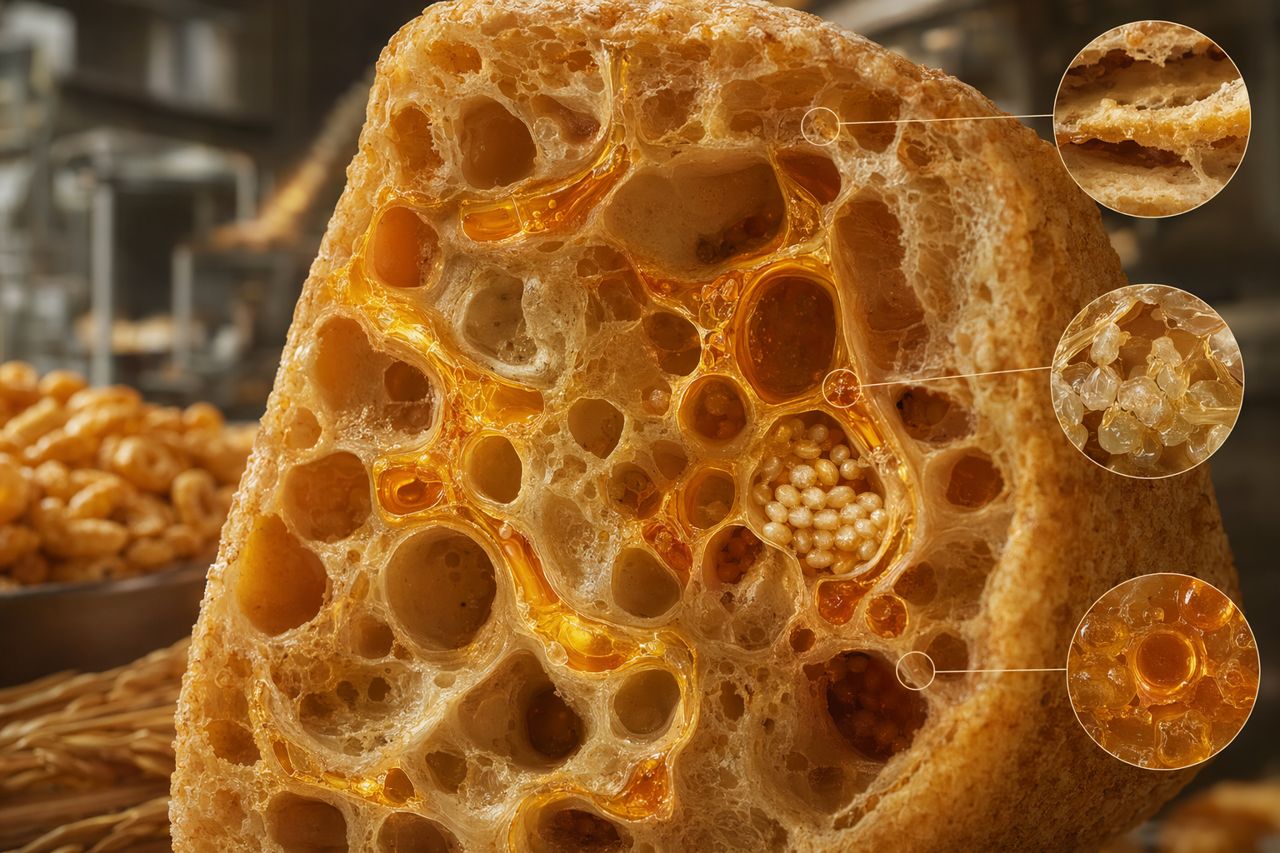
For selected extruded snacks, breakfast cereals, and grain crisps, Maltogenic Amylase may be evaluated to influence starch breakdown, carbohydrate distribution, texture development, and post-process eating quality. Pilot validation is essential because extruder shear, residence time, and moisture can shift outcomes quickly.
Cooked rice has the same staling problem as bread: once it is chilled, the starch firms and the grains turn hard and dry. For producers of chilled rice, convenience-store rice balls, bento boxes, instant and frozen rice, that is the main quality complaint and the main reason rice products carry short dates.
The answer is a rice improver blend built on maltogenic amylase. A typical rice improver combines maltogenic amylase with xylanase and amylase on a starch carrier and is used for steamed rice, instant rice, chilled rice and rice balls. What it does:
Typical pack and shelf life: 1 kg bags and 10 kg drums, 12 months.
For a buyer, the point is that a rice line does not need a bakery product: ask for a rice-specific blend, or for a straight maltogenic amylase grade if you build your own processing aid. Tell us the rice product, whether it is chilled or frozen, and your volume.
A good Maltogenic Amylase program starts with the finished product, not the ingredient deck. We help define what performance means for the application before trial work begins.
Common evaluation targets include:

Maltogenic Amylase performance is matrix-dependent. Cereal type, damaged starch, water absorption, sugar, salt, fat, emulsifiers, fibers, hydrocolloids, preservatives, and acid systems all influence the final texture curve.
Key formulation variables to control during evaluation:
Maltogenic Amylase can be evaluated in dry blends, flour premixes, bakery improvers, dough systems, batters, hydrated cereal slurries, and selected extrusion preconditioning stages. The right addition point depends on the process and the degree of mixing uniformity required.
For commercial scale-up, we recommend validating:
Procurement teams typically need more than a product name. They need a supplier discussion that covers regulatory position, food-grade status, allergen and carrier details, country-of-origin requirements, packaging format, lead time, document set, and commercial continuity.
Maltogenic Amylase Solutions supports B2B evaluation with application-focused documentation and technical dialogue designed for bakery, cereal, and prepared-food manufacturers. Performance details are handled through direct formulation discussion rather than public commodity claims.
Maltogenic Amylase is a strong candidate when your brief sounds like this:
Maltogenic Amylase Solutions supplies maltogenic amylase wholesale to bakery, rice and prepared-food manufacturers, ingredient blenders and distributors. Use the inquiry form on this page with the product you make, the process (baked, steamed, cooked, chilled, frozen or extruded), the quantity per order or per month, and the destination country. Pricing, pack format and lead time are quoted per order. Request a quote

Tell us your application and volume — we reply with pricing and lead time.
We have received your message. We will reply by email.