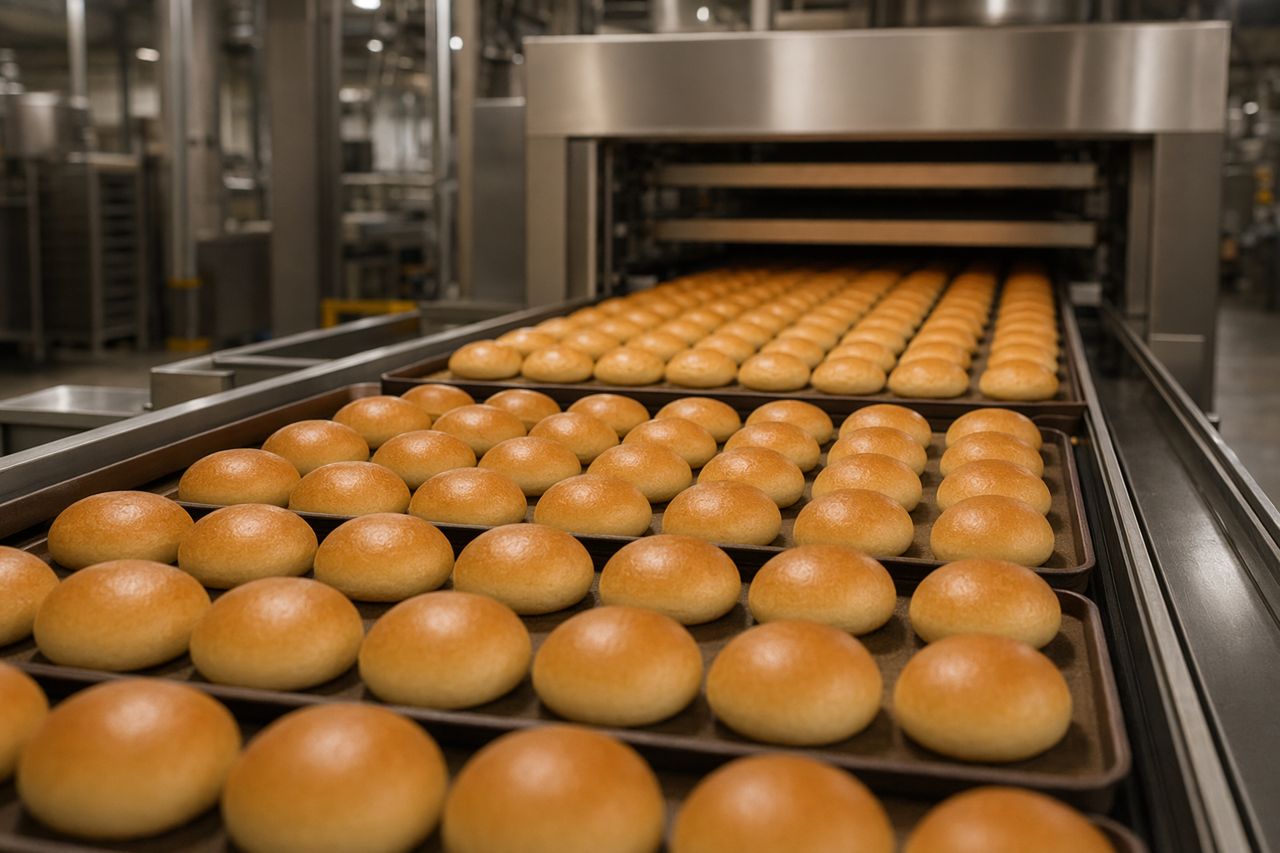
Maltogenic Amylase supports soft, resilient crumb and improved freshness retention in buns, rolls, and foodservice bakery formats.
Foodservice bread has to perform after the bake: through cooling, packing, distribution, holding, reheating, and the final moment of service. Maltogenic Amylase is built for that gap between production quality and customer experience.
For hamburger buns, sandwich carriers, dinner rolls, sliders, hoagie rolls, brioche-style buns, and soft sweet carriers, Maltogenic Amylase helps preserve a tender crumb, balanced resilience, and a cleaner bite over the product’s intended service window.
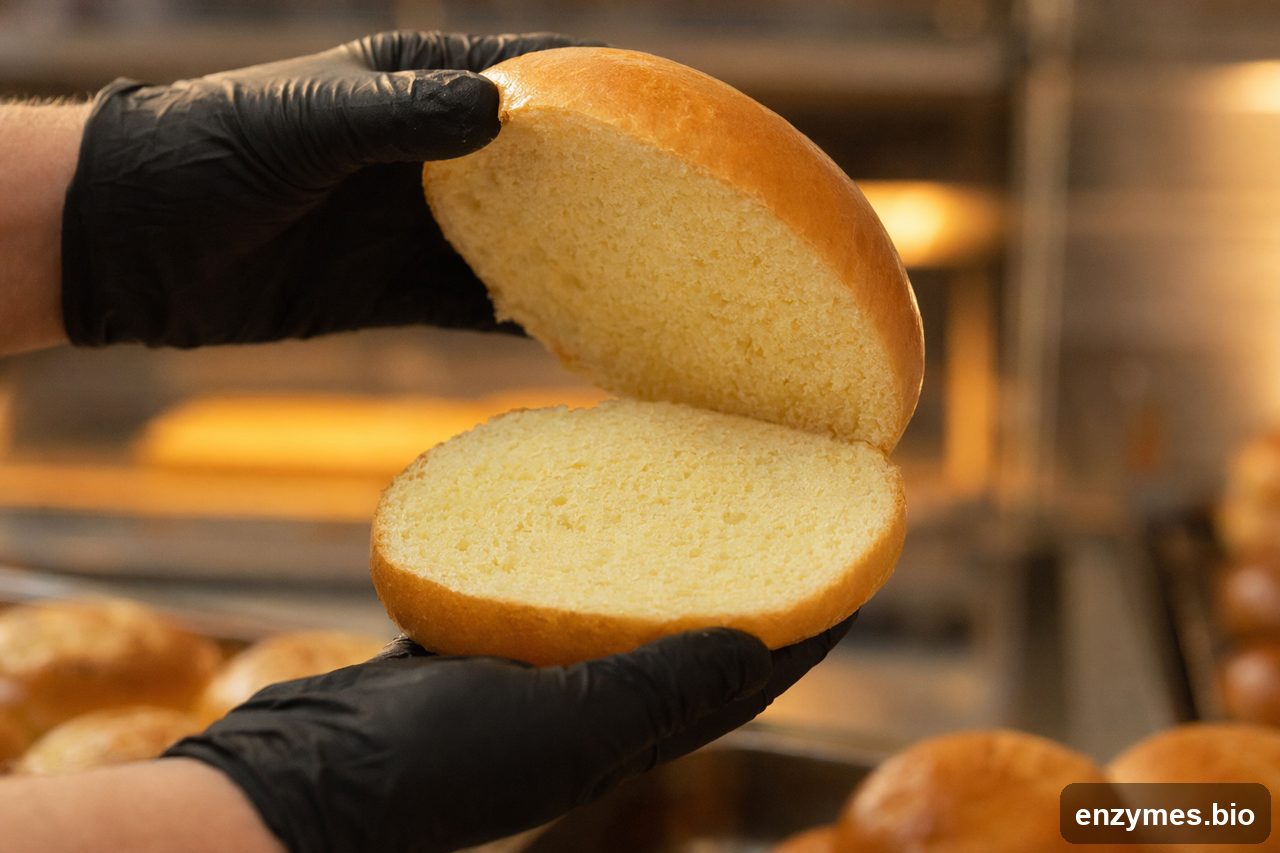
Maltogenic Amylase Solutions supplies maltogenic amylase in bulk to bun and roll bakeries, foodservice bakery suppliers, improver blenders and ingredient distributors.
Buying in bulk? Send the product you make, the quantity and the destination country; pricing and pack are quoted per order. Request a quote
A bun may leave the bakery soft and fragrant, then arrive at the counter tighter, drier, or more brittle than the specification allows. In quick-service and foodservice channels, freshness pressure comes from multiple directions:
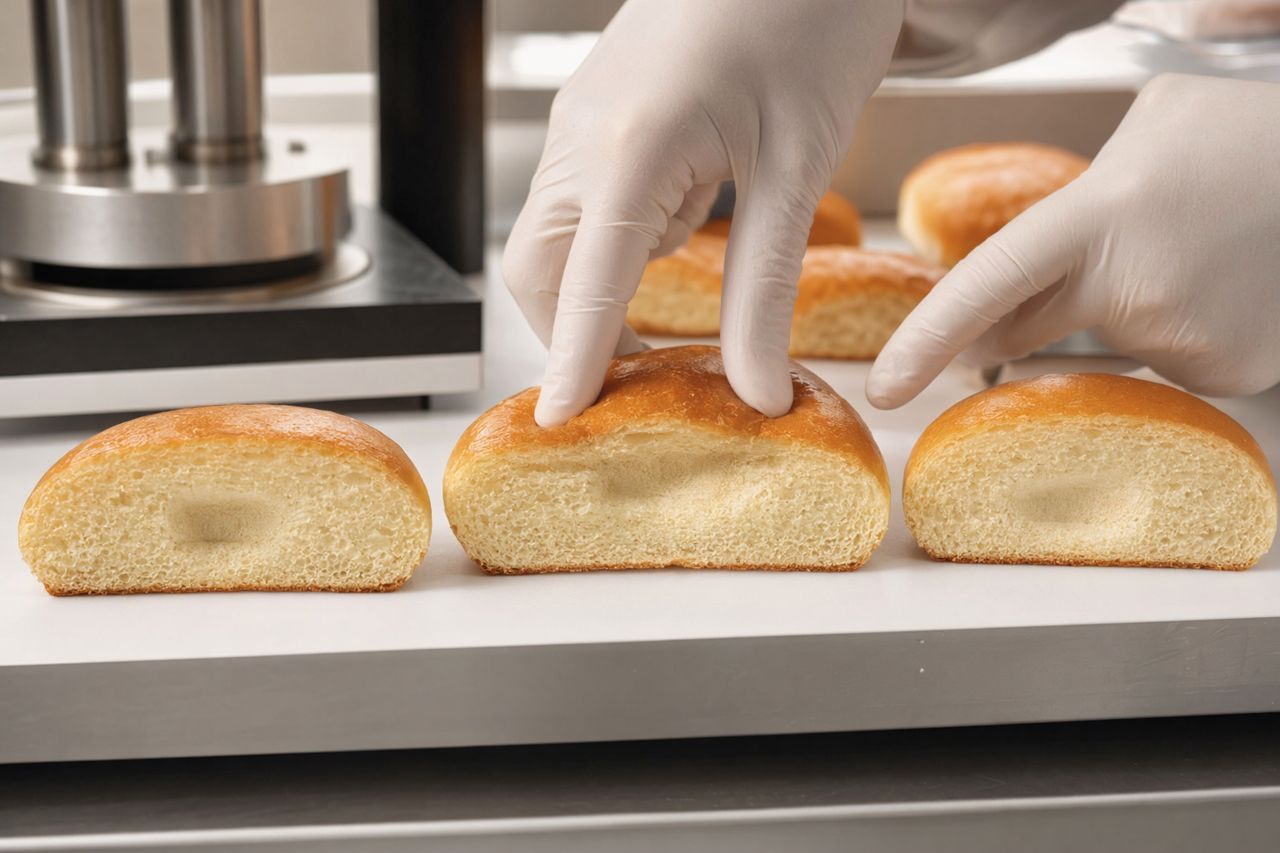
Maltogenic Amylase Solutions focuses on the texture that matters commercially: softness that survives handling, spring-back that supports stacking and filling, and crumb that feels moist without becoming gummy.
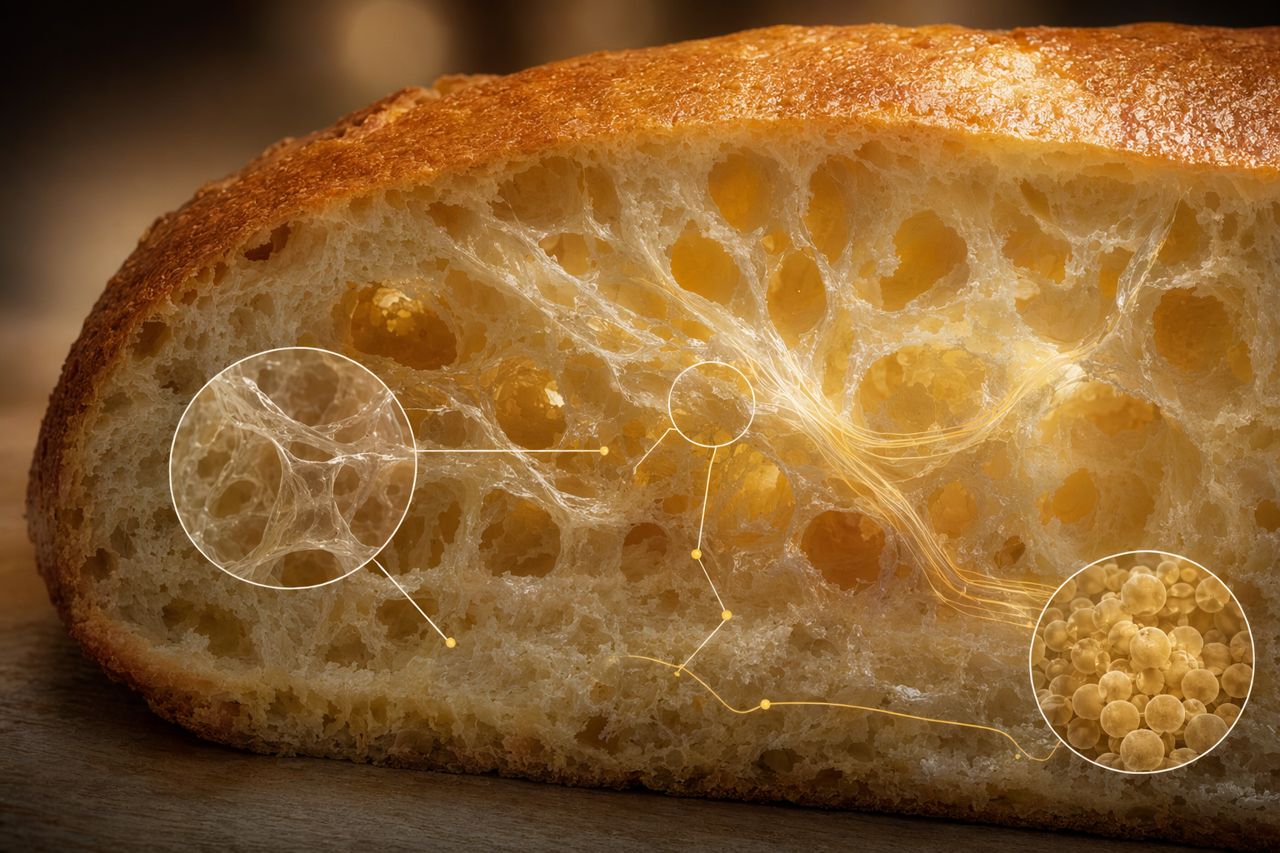
Maltogenic Amylase acts on starch during the baking process and helps slow the crumb-firming changes that occur after cooling. In practical bakery terms, it can support:
The goal is not simply a softer bun on day one. The goal is a bun that remains serviceable, sliceable, and pleasant when the foodservice operator actually uses it.
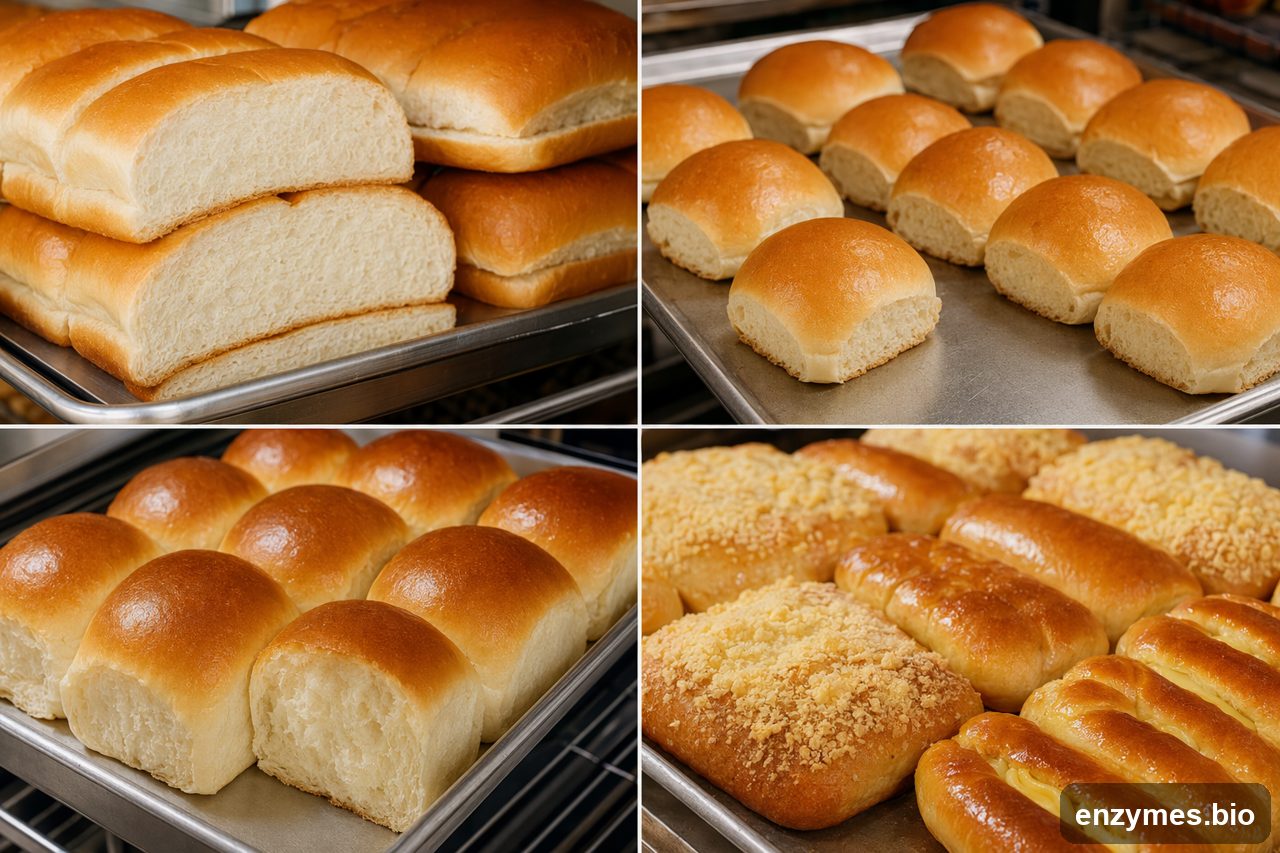
Maltogenic Amylase is relevant for a wide range of soft bread systems, including:
It is especially useful where the commercial brief calls for extended softness, reduced returns, or better texture consistency across multiple distribution routes.
Maltogenic Amylase should be evaluated inside the complete bakery system, not as an isolated ingredient. Flour strength, damaged starch, sugar, fat, emulsifiers, oxidizing systems, fermentation profile, proofing, bake curve, cooling, and packaging all influence the final texture.
For development work, Maltogenic Amylase Solutions recommends a structured bench-to-line evaluation:
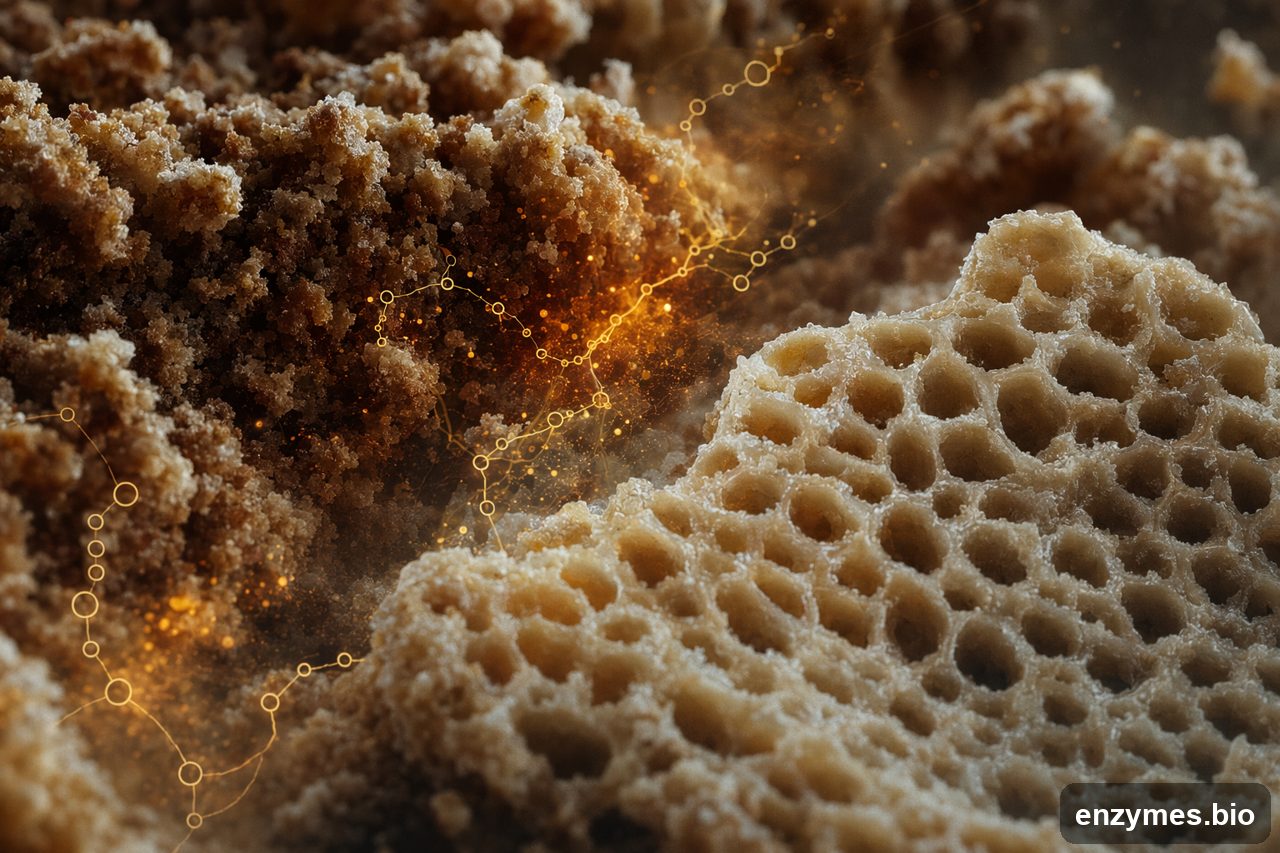
Over-treatment can push crumb toward excessive softness or tackiness, especially in enriched doughs or high-moisture systems. The best result is a calibrated balance: tender enough to feel fresh, structured enough to run cleanly on bakery and foodservice equipment.
Maltogenic Amylase can be assessed alongside common bakery ingredients and processing aids used in soft-roll systems, including emulsifiers, dough conditioners, yeast systems, fats, sweeteners, hydrocolloids, and freshness blends. Final performance depends on the formula architecture and thermal profile.
In procurement language, the enzyme is not a generic line item. It is a functionality lever that may help reduce dependence on heavier formulation adjustments while keeping the eating experience aligned with the foodservice specification.
For R&D and QA teams, useful evaluation points include:
The strongest trials pair instrumental checks with trained sensory review. Foodservice bread succeeds when the data and the bite tell the same story.
For bun programs that run across several plants or SKUs, list the documents your market and customers require (specification, safety documents, allergen position, storage guidance, lot records) and send that list with the inquiry. Pack format, lead time and forecast planning are quoted per order.
Tell us the bun or roll format, how it is distributed and held before service, the quantity per order or per month, and the destination country. Use the inquiry form on this page. Pricing, pack format and lead time are quoted per order. Request a quote
Tell us your application and volume — we reply with pricing and lead time.
We have received your message. We will reply by email.