Application guidance for using Maltogenic Amylase to support softness, resilience, and fresh-eating quality in frozen dough, thaw-and-proof, par-baked, and rebaked bakery products.
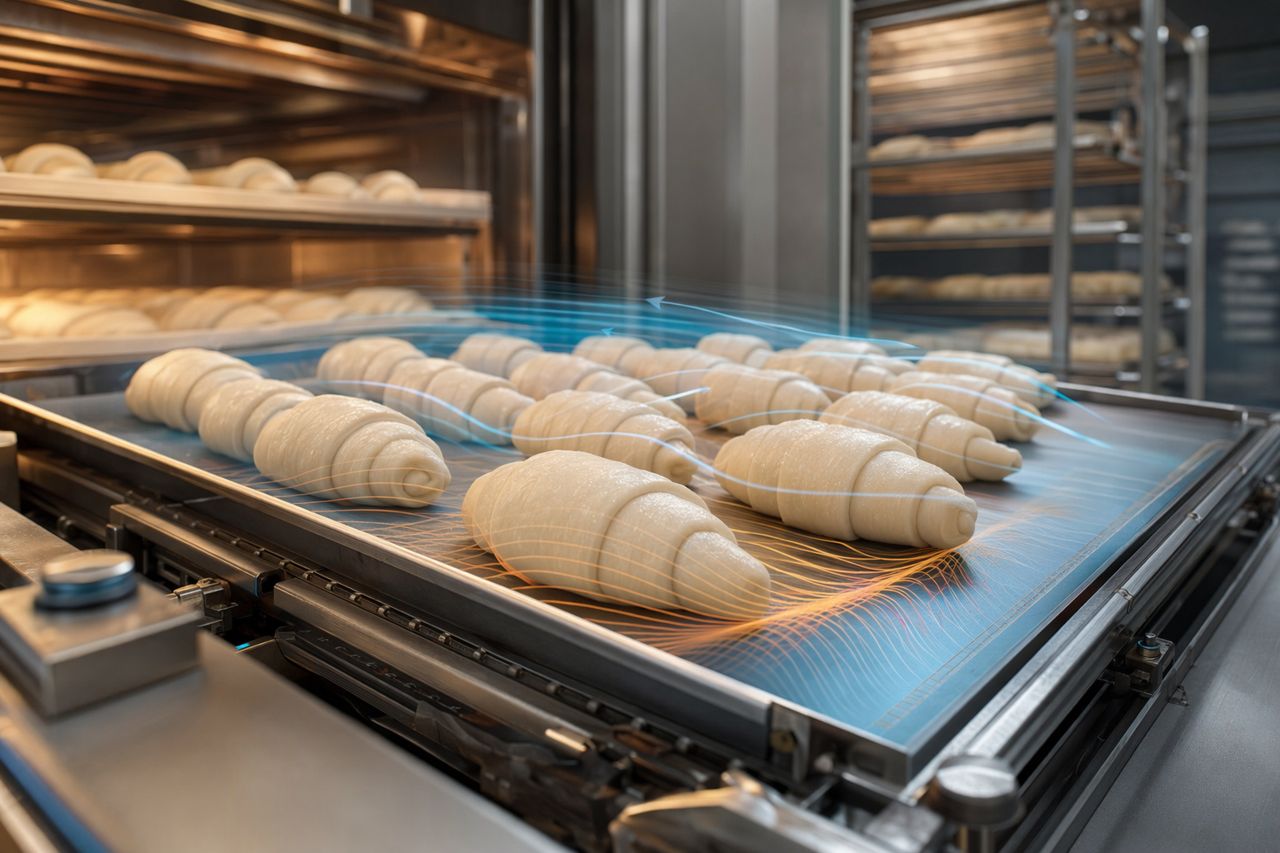
Freezing, thawing, proofing, baking, cooling, and rebaking all ask the same question of a bakery formula: can the crumb still eat fresh when the process has been anything but gentle?
Maltogenic Amylase is built for that question. In frozen dough and par-baked systems, it helps protect the soft, resilient eating quality of the finished product by moderating starch firming after bake and through shelf life. The result is a crumb that feels more supple after cold-chain handling, with better bite recovery after thawing, finishing, or rebaking.
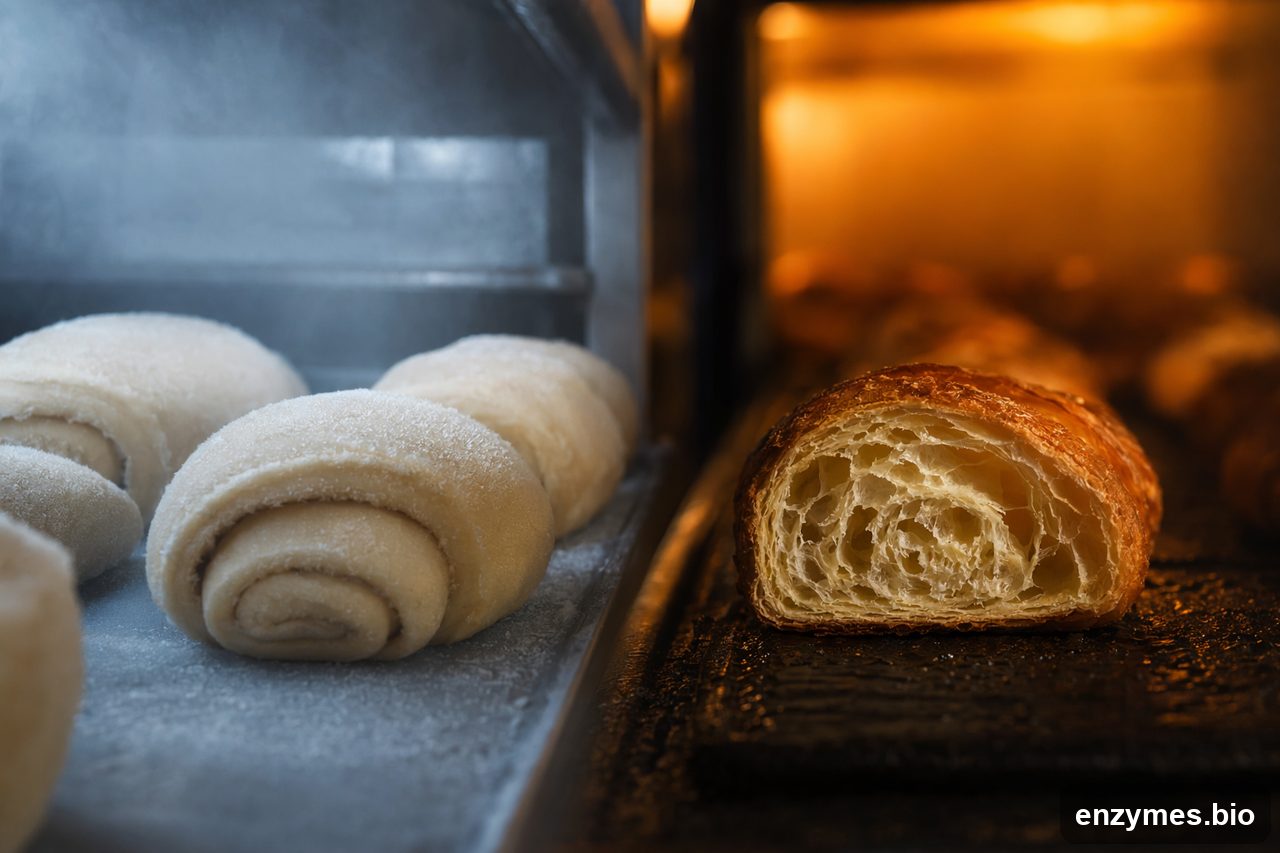
This is not about masking process stress. It is about designing freshness into the starch phase so the final product performs closer to a same-day bake.
Maltogenic Amylase is especially relevant for bakeries producing:
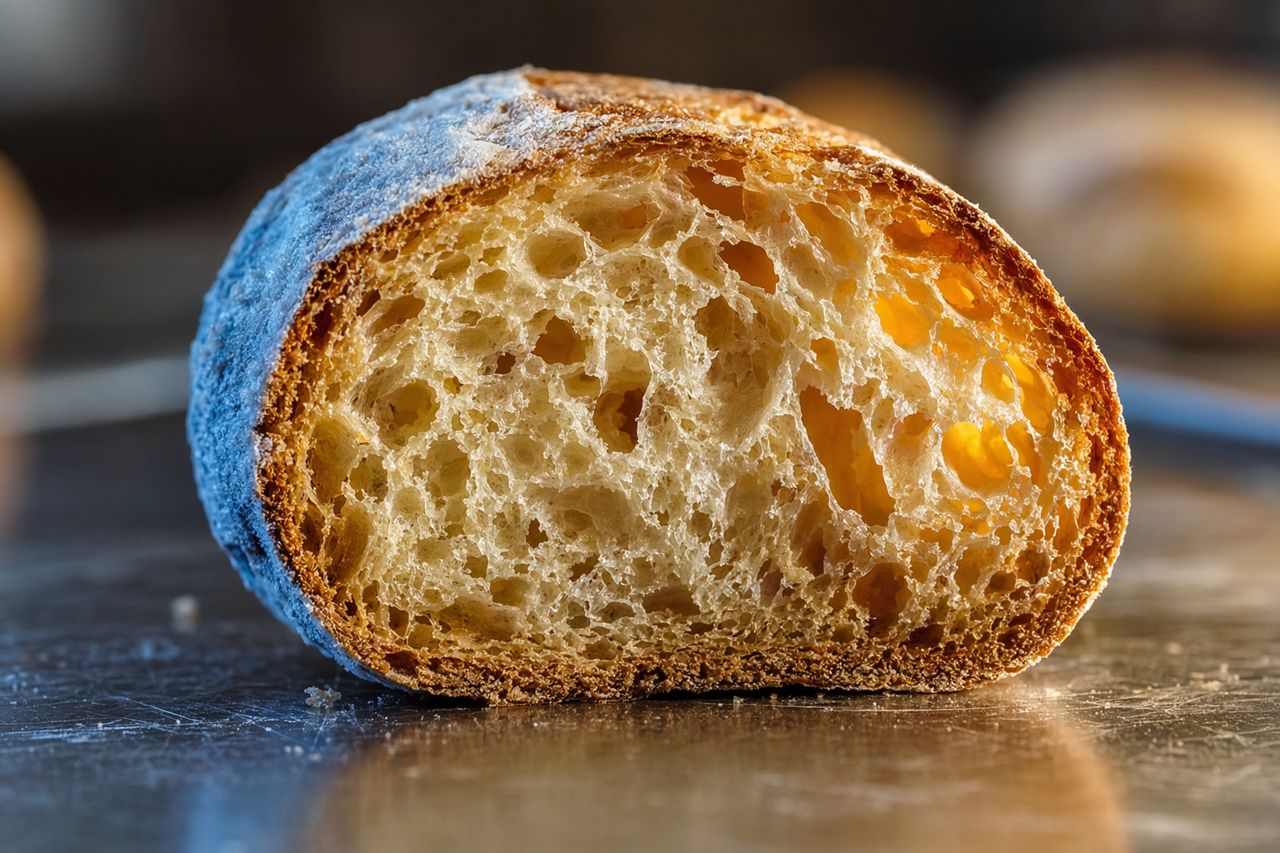
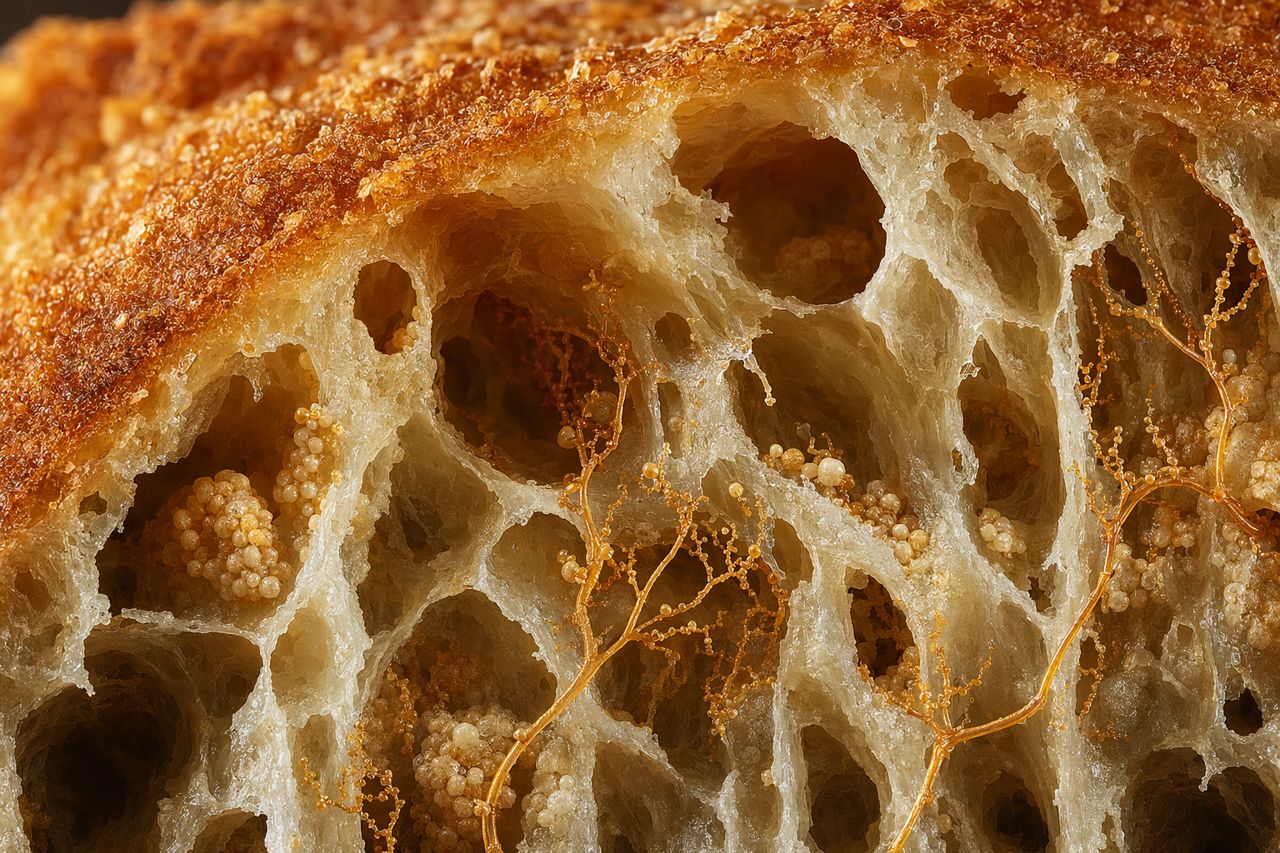
During baking, starch gelatinizes and sets the crumb structure. After cooling and storage, starch molecules naturally reorganize, contributing to firmness, dry bite, and loss of perceived freshness. Maltogenic Amylase helps slow that firming pattern by gently modifying the starch substrate during bake.
For frozen and par-baked workflows, that matters because the product is exposed to multiple stress points: freezer residence, moisture migration, thawing, proof variability, finishing bake, and holding. A well-balanced Maltogenic Amylase system can help the final bread or carrier stay softer for longer, with a more elastic chew and less rapid staling after the consumer-facing bake.
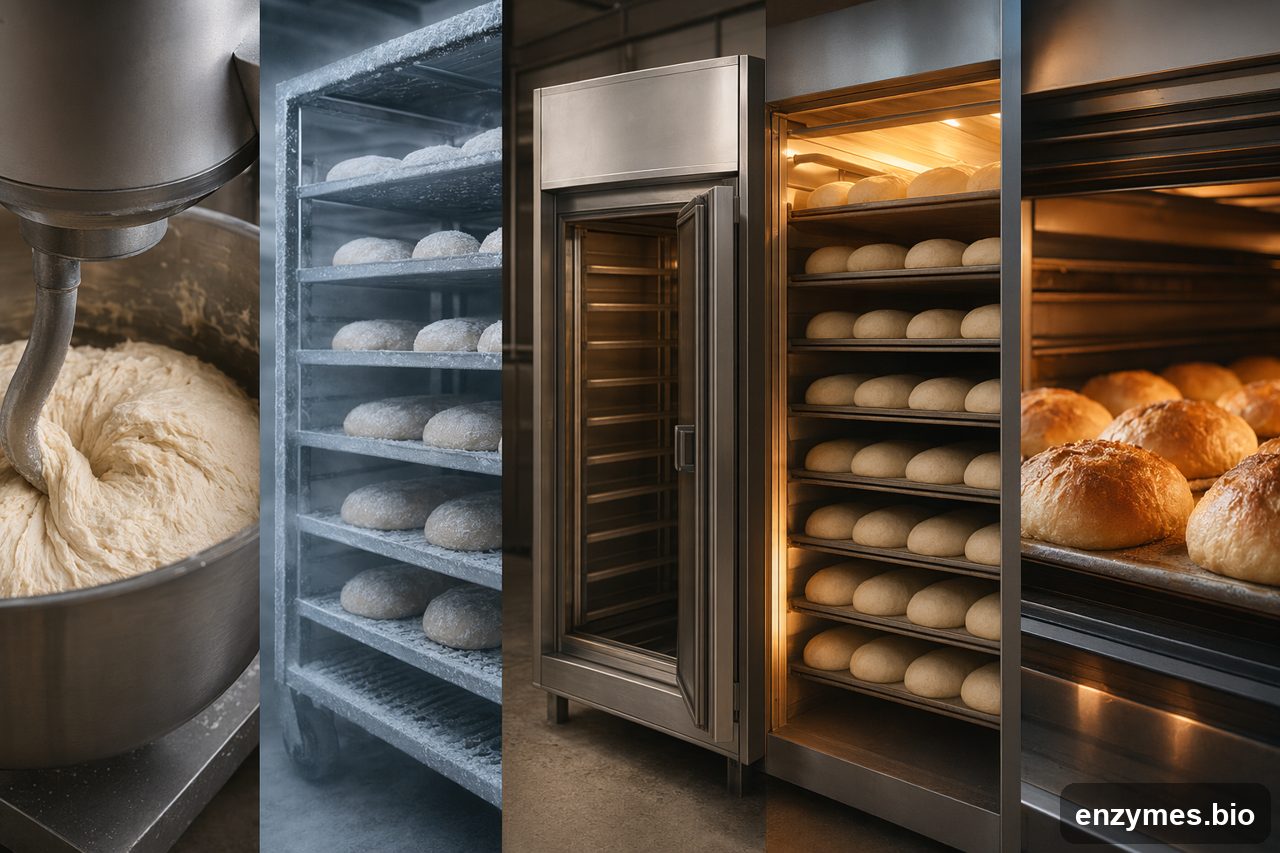
Bakery teams typically evaluate Maltogenic Amylase against these targets:
Frozen dough creates mechanical and biological pressure on the system: ice crystal formation, yeast stress, gluten weakening, and proof variability all influence the final crumb. Maltogenic Amylase does not replace dough strength, yeast management, or freezing discipline, but it can help the baked product hold softness once structure has been set.
For frozen dough programs, the most useful development work usually compares:
The best outcome is not simply the softest crumb on day one. It is a controlled softness curve that remains pleasant without collapsing structure or creating tackiness.
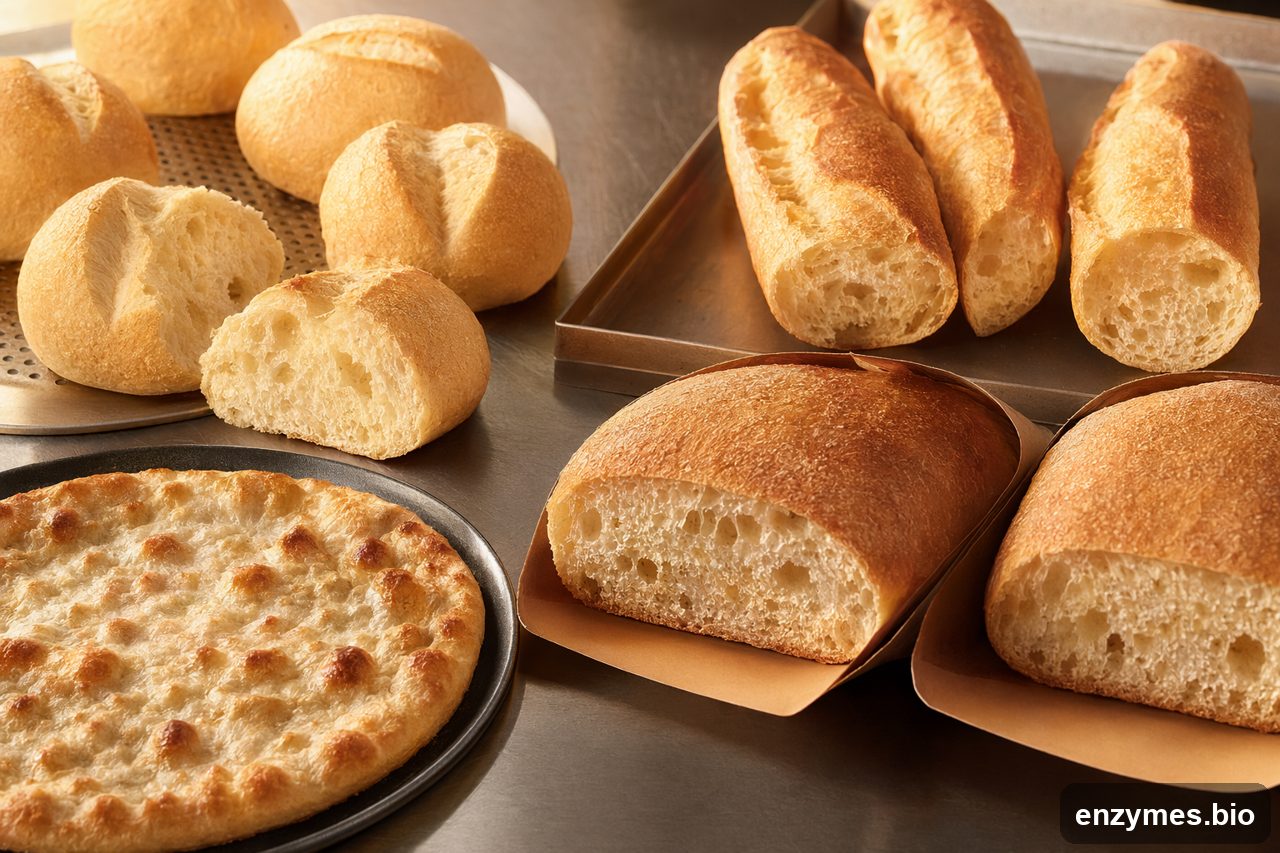
Par-baked products face a different challenge. The first bake sets part of the starch and protein structure, then the product is cooled, often frozen, and later finished in a second bake. That second thermal event can amplify drying, crust hardening, and crumb firming if the formulation is not balanced.
Maltogenic Amylase helps support a softer interior after finishing bake, especially in rolls, baguettes, table breads, sandwich carriers, and crust systems where the eating window starts after rebake rather than after the original production bake.
Development teams should assess:
Maltogenic Amylase works best as part of a complete freshness architecture. It should be balanced with flour quality, water absorption, yeast performance, fermentation profile, dough strength, emulsifier choice, fat system, and packaging.
Important development checkpoints include:
Because frozen and par-baked processes vary widely by plant, product format, and finish-bake environment, pilot-scale validation is essential. Maltogenic Amylase Solutions supports formulation trials around finished-product eating quality rather than generic enzyme claims.
For commercial bakery teams, the enzyme has to perform in production, not only in a lab bench formula. When evaluating Maltogenic Amylase for frozen dough or par-baked programs, procurement and technical teams should align on:
Maltogenic Amylase Solutions focuses on the sensory life of baked goods: the soft press of the crumb, the rebound under the bite, the difference between fresh and merely edible. Our Maltogenic Amylase is positioned for bakery manufacturers that need precision freshness performance in real distribution systems, especially where freezing, par-baking, and rebaking complicate the path to the consumer.
Maltogenic Amylase Solutions supplies maltogenic amylase in bulk to frozen dough and par-baked producers, improver blenders and ingredient distributors.
Buying in bulk? Send the product you make, the quantity and the destination country; pricing and pack are quoted per order. Request a quote
Tell us the product, whether it is frozen dough or par-baked, the quantity per order or per month, and the destination country. Use the inquiry form on this page. Pricing, pack format and lead time are quoted per order. Request a quote
Tell us your application and volume — we reply with pricing and lead time.
We have received your message. We will reply by email.