Practical storage, handling, and bakery formulation guidance for Maltogenic Amylase, written for R&D, plant, and procurement teams working on crumb softness and shelf-life.
Maltogenic amylase is bought for one commercial result: bread, buns, tortillas and soft bakery products that keep a tender, resilient crumb through distribution, so fewer products come back stale. Amylases are also used outside bakeries, and a German-language page covers alpha-amylase for desizing of textiles. Whether that result shows up on your line depends as much on how the enzyme is stored, dosed and mixed as on the grade you buy.
This guide is for plant bakeries, improver and premix blenders, and distributors who hold stock for them. It covers the pack formats the trade uses, storage, plant handling, and how to run a trial that gives procurement a clear yes or no.
Buying in bulk? Send the product you make, the quantity and the destination country, and we quote the matching grade and pack. Request a quote
During baking and storage, starch changes drive much of the firming associated with staling. Maltogenic Amylase helps manage this process by modifying starch behavior in a way that supports longer-lasting softness and a more elastic crumb structure.
In finished products, the effect is usually seen as:
It is not a preservative and it does not replace hygiene, packaging control, or mold-management strategy. It is a crumb-quality tool that performs best when the full bakery system is well controlled.
Maltogenic amylase reaches bakeries in two forms, and they are handled differently.
Ready-made bread improver blends. Bread improver blends combine maltogenic amylase with other bakery enzymes and dough conditioners on a starch carrier, and are aimed at loaf volume, a softer and finer crumb, crust colour, moisture retention and shelf life in one addition. Because a blend is diluted on its carrier, it is dosed far higher than a straight enzyme grade, so a bakery can usually weigh it in directly with the other dry ingredients. Use the dose, working range and shelf life stated for the blend you are quoted.
Straight maltogenic amylase grades are concentrated and dosed far lower than a blend, so they are normally pre-blended into flour or an improver base first. They suit blenders and large bakeries that build their own improver and want to set the anti-staling level separately from the dough-strengthening enzymes.
Pack sizes. Both forms are commonly packed in 1 kg bags and 10 kg drums. The 1 kg bag suits trials and smaller bakeries; the 10 kg drum suits regular plant use and blenders. Ask for the pack that matches how fast you use an opened container, because every opening exposes the powder to bakery air and humidity.
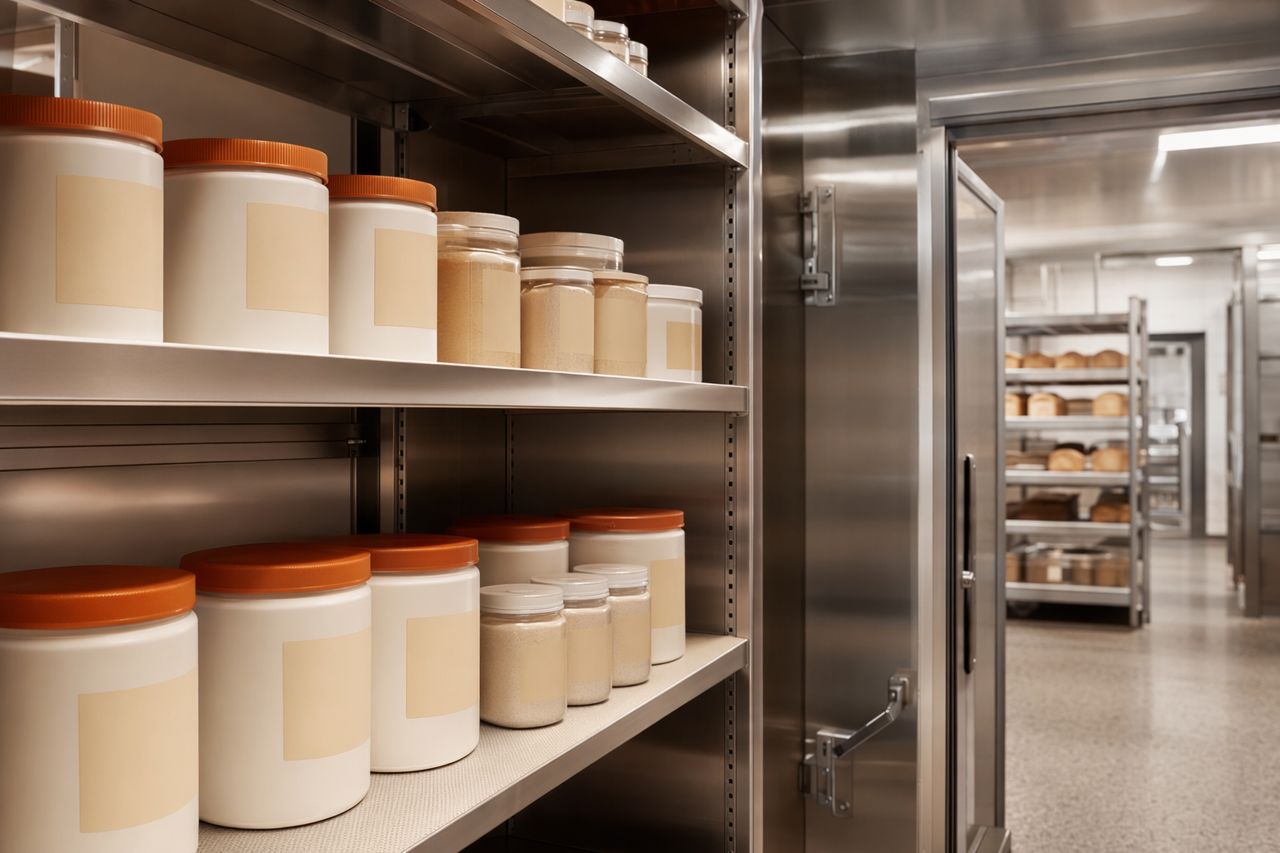
Maltogenic Amylase should be treated as a precision ingredient. Storage conditions affect flowability, dispersion, and long-term handling quality.
If the product appearance, odor, flow, or packaging condition changes unexpectedly, hold the material and ask for technical review before use.
Enzyme products should be handled with disciplined plant practice. Fine airborne particles should be minimized, and contact with eyes, skin, and respiratory pathways should be avoided.
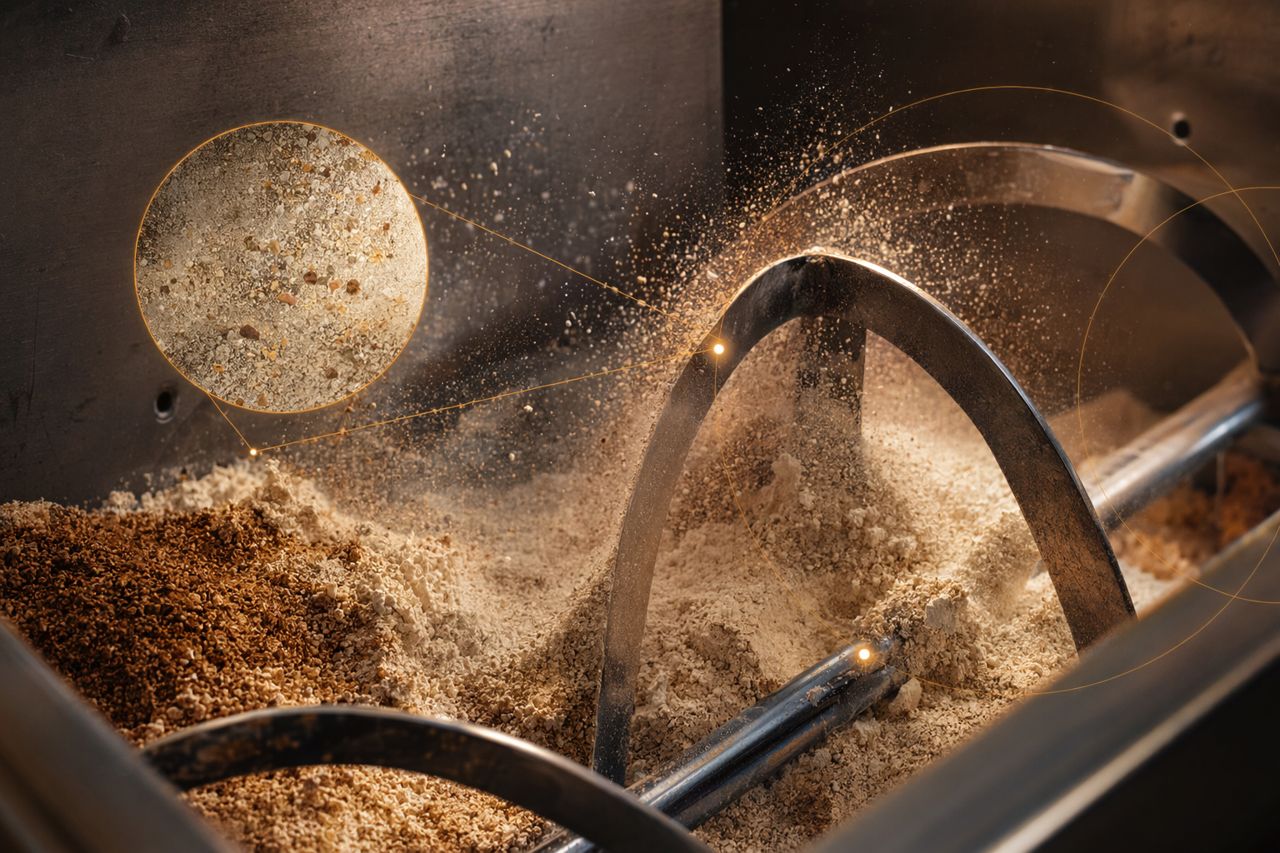
For most bakery systems, Maltogenic Amylase performs best when it is evenly dispersed before hydration and dough development.
Common approaches include:
Avoid direct contact with hot water or heated syrups. Excess heat before dough incorporation can reduce functional performance.
The best Maltogenic Amylase trial begins with a sensory and shelf-life objective, not simply an inclusion rate. Define what the finished product needs to do.
Ask:
Once the target is clear, run a structured bench or pilot trial and compare finished-product performance over the actual intended shelf window.
Maltogenic Amylase does not work in isolation. Its final effect depends on the dough system and process.
Protein strength, damaged starch, flour treatment, and seasonal flour variation can all shift the outcome. A formula that performs well with one flour stream may need adjustment with another.
Sweet doughs and enriched systems often respond differently from lean bread because water availability, fermentation speed, and crumb structure change. Evaluate the enzyme inside the full formula, not in a simplified flour-water model.
Emulsifiers, hydrocolloids, fats, and other crumb-softening tools can complement Maltogenic Amylase, but they can also amplify softness. Balance is important. The desired result is tender and resilient, not gummy or compressed.
Many bakery systems use multiple enzymes for dough handling, volume, crumb texture, or processing tolerance. When Maltogenic Amylase is combined with other enzyme technologies, test the blend in the finished process rather than assuming each component will behave independently.
Fermentation time, proof temperature, and dough maturity affect crumb structure and starch accessibility. If the line runs with variable proofing, include that variation in trial evaluation.
The oven and post-bake chain are critical. Bake profile, internal moisture, cooling time, slicing pressure, bagging temperature, and pack seal all influence softness perception. Maltogenic Amylase can support shelf-life, but packaging and process discipline must carry the rest.
Because specifications and numerical recommendations are product-specific, formulation should be validated through controlled trials. The following sensory signals can guide discussion with technical support.
The ideal window is application-specific. A pan bread, brioche bun, tortilla, and sweet roll may each require a different balance of enzyme, emulsifier, water, bake, and pack conditions.
A clean trial reduces internal debate and speeds purchasing decisions.
Recommended evaluation structure:
Procurement should also confirm documentation, labeling needs, allergen statements, country requirements, and packaging format before commercial ordering.
Maltogenic Amylase is most often considered when the commercial value of softness is high.
Strong-fit applications include:
For crusty, dry, or deliberately short-shelf-life products, the value case may be weaker unless the goal includes controlled softness or reduced firming in a specific crumb zone.
For internal quality and audit readiness, maintain:
Good records help R&D, QA, and procurement align quickly if a formula is scaled, transferred, or reformulated.
Maltogenic Amylase Solutions supplies maltogenic amylase wholesale, as a straight grade or within a bread improver blend, to bakery manufacturers, improver and premix blenders, and ingredient distributors. Use the inquiry form on this page with your product, the form you want (straight grade or blend), quantity per order or per month, and destination country. Pricing, pack and lead time are quoted per order. Request a quote
Tell us your application and volume — we reply with pricing and lead time.
We have received your message. We will reply by email.