Learn how Maltogenic Amylase helps bakery teams extend bread softness, improve crumb resilience, and support fresher shelf-life in pan bread, buns, rolls, and sweet baked goods.
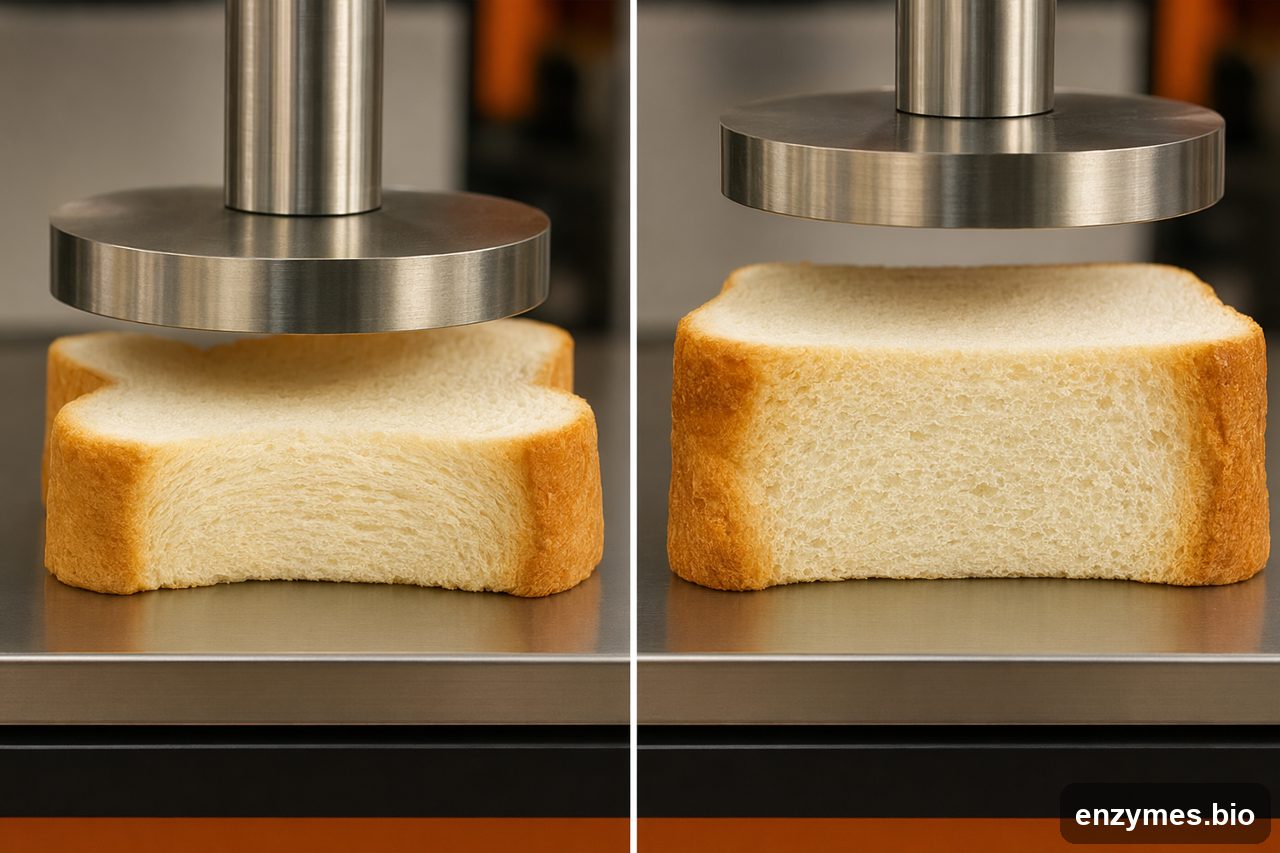
Freshness is not one attribute. It is the way a slice compresses, springs back, tears cleanly, and still tastes hydrated after the first day on shelf.
Maltogenic Amylase is used by industrial bakeries to slow crumb firming and preserve a softer, more resilient eating quality in bread, buns, rolls, and enriched baked goods. For R&D teams working against tight distribution windows, it is one of the most practical enzyme tools for extending perceived freshness without turning the crumb wet, weak, or sticky.
Maltogenic Amylase Solutions supports bakery formulators and procurement teams evaluating Maltogenic Amylase for anti-staling systems, freshness claims, and shelf-life optimization.
This guide is written for bakery manufacturers, improver blenders and ingredient distributors buying maltogenic amylase in bulk for anti-staling programs.
Buying in bulk? Send the product you make, the quantity and the destination country; pricing and pack are quoted per order. Request a quote
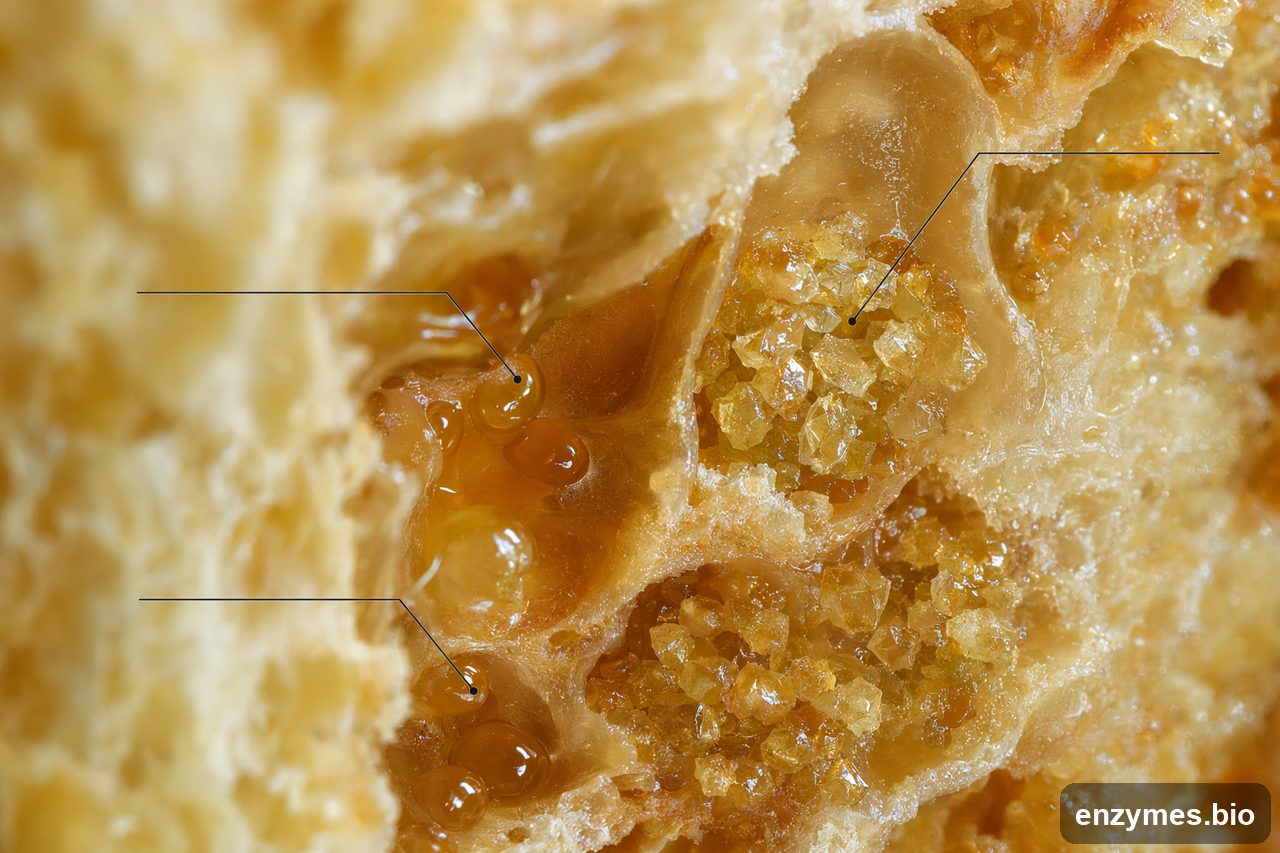
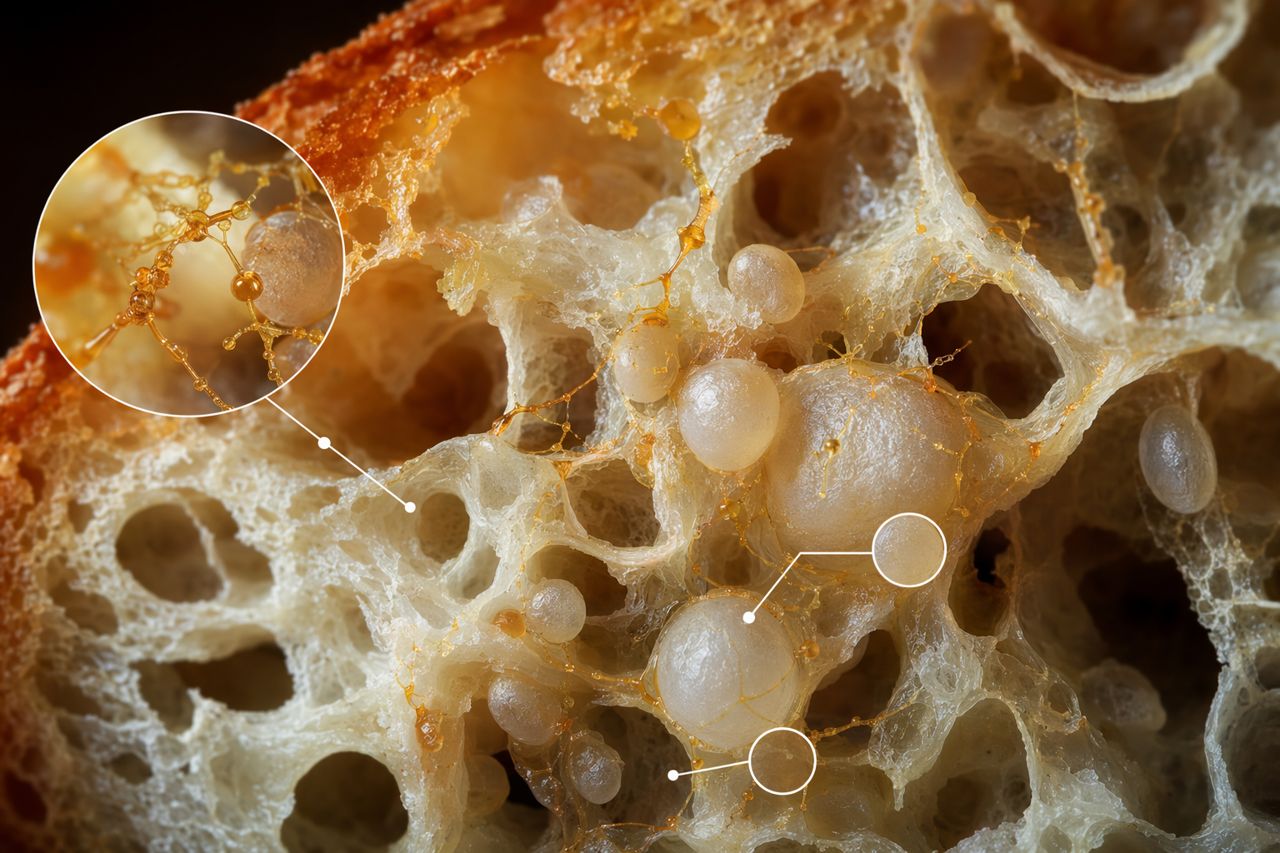
During baking and storage, starch changes shape. Gelatinized starch initially helps set the crumb, then gradually reorganizes as the product cools and ages. This starch retrogradation is a major contributor to firmness, dryness perception, and loss of slice flexibility.
Maltogenic Amylase acts on starch during the heat window of baking to generate shorter carbohydrate fragments that interfere with recrystallization during storage. The result is a crumb that stays softer for longer and resists the tight, dry bite associated with stale bread.
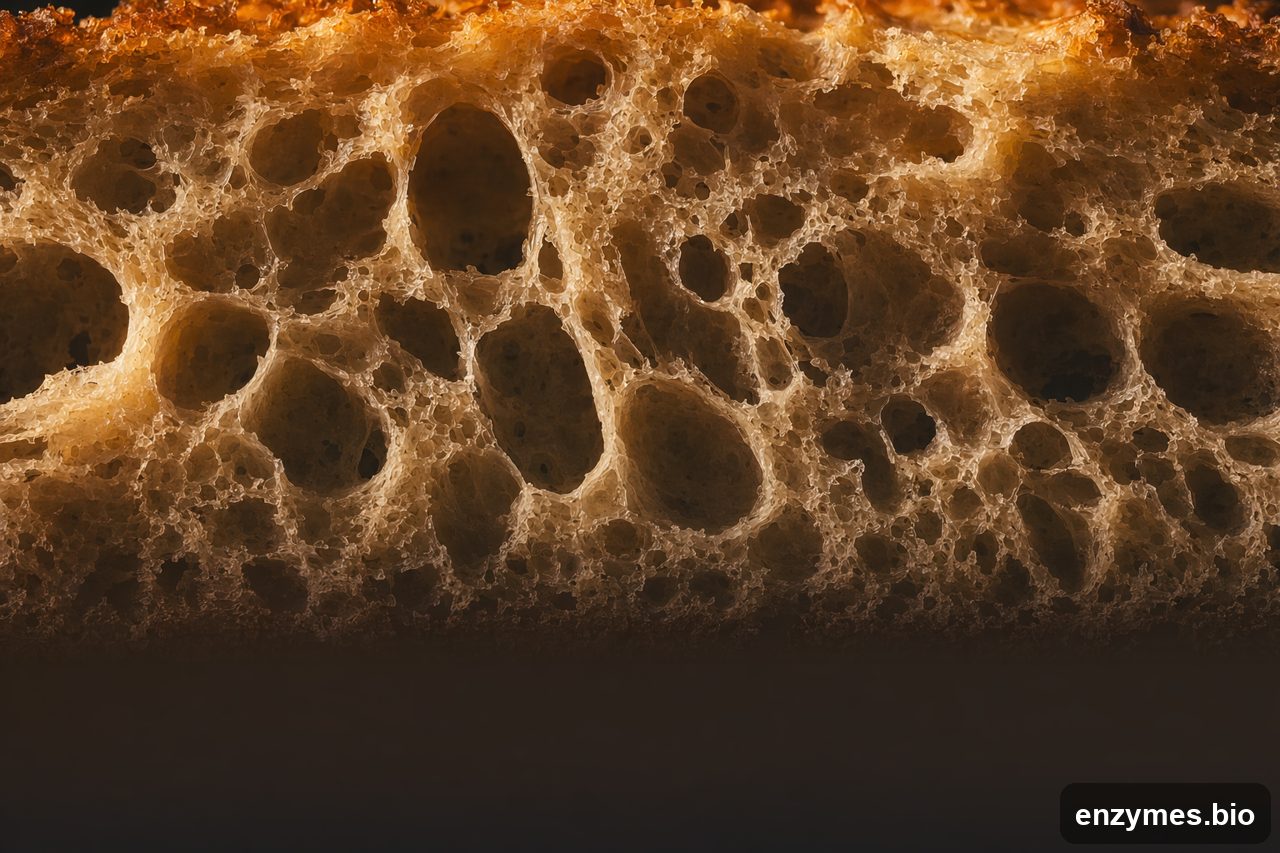
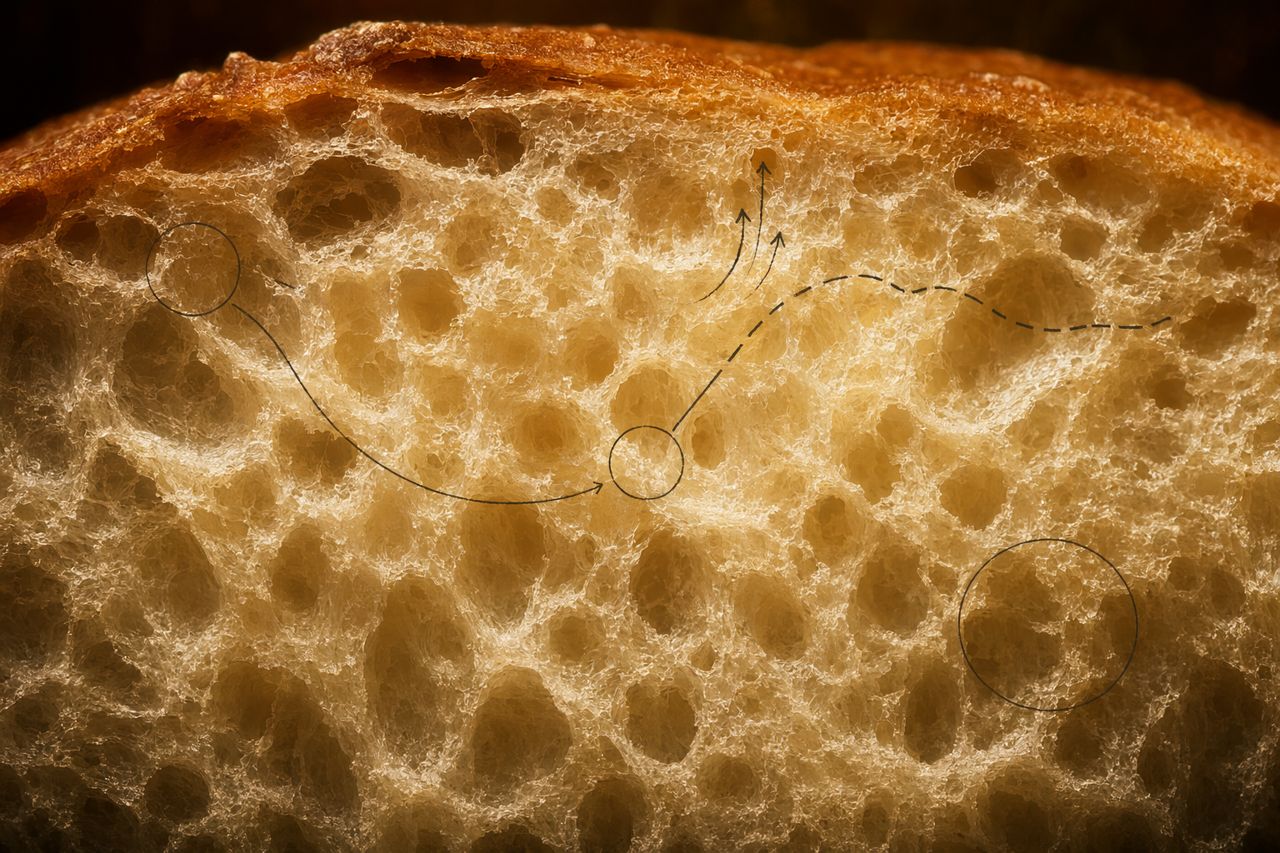
Bread does not fail freshness all at once. It loses appeal through small changes: a firmer bite, a drier chew, less flexibility, and lower aroma release. Maltogenic Amylase helps protect the crumb structure where consumers notice the difference most.
For commercial bakeries, this can support:
Maltogenic Amylase is rarely evaluated in isolation. Its performance depends on flour quality, process time, water absorption, dough development, bake profile, cooling, slicing, packaging, and the rest of the improver system.
A well-balanced anti-staling system should improve softness without masking process defects. If the product becomes gummy, collapses during cooling, slices poorly, or feels damp on the palate, the enzyme balance or process conditions need to be reviewed.
Maltogenic Amylase is a strong fit for white, wheat, multigrain, and soft sandwich bread where slice softness and day-after-day resilience are core quality measures.
In buns, the goal is not just softness. The crumb must compress around fillings, recover enough to hold shape, and avoid splitting. Maltogenic Amylase can help maintain that elastic, fresh bite through distribution.
For par-baked, packaged, or extended-hold roll programs, Maltogenic Amylase may support a more tender crumb and reduce the stale edge that appears after cooling and storage.
Sugar, fat, eggs, and inclusions change water dynamics and starch behavior. Maltogenic Amylase can still be valuable, but trials should be built around the finished eating profile rather than dough metrics alone.
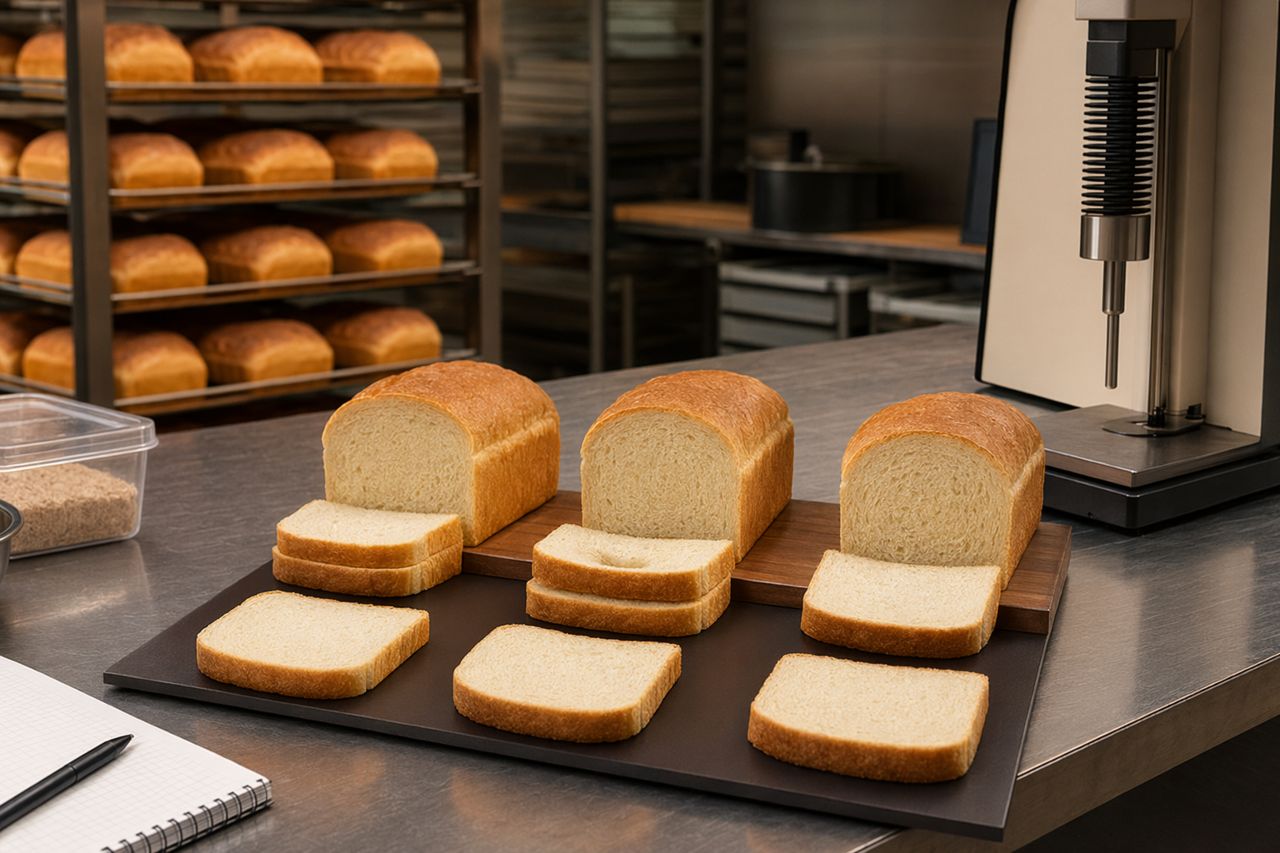
A practical anti-staling trial should measure both instrument and sensory performance. Texture numbers matter, but consumers judge freshness with fingers, teeth, and memory.
For B2B sourcing, procurement teams should look beyond price per kilogram. Maltogenic Amylase performance depends on consistency, handling, compatibility, documentation, and technical support.
The best anti-staling result is usually not the most aggressive enzyme effect. It is the point where the crumb stays tender, the slice remains stable, and the eating quality feels naturally fresh.
Maltogenic Amylase Solutions approaches Maltogenic Amylase as part of a complete bakery performance system: starch behavior, dough strength, moisture migration, emulsification, process heat, packaging, and sensory shelf-life all have to work together.
If your team is reformulating for longer freshness, replacing an improver blend, qualifying a second source, or building a new soft-bread platform, Maltogenic Amylase is worth evaluating with disciplined bake trials.
Tell us what you bake, the freshness window you need to protect, the quantity per order or per month, and the destination country. Use the inquiry form on this page. Pricing, pack format and lead time are quoted per order. Request a quote
Tell us your application and volume — we reply with pricing and lead time.
We have received your message. We will reply by email.