Maltogenic Amylase for softer bakery products, controlled starch modification, and fermentation support
CrumbSpan is built for one purpose: helping industrial bakeries specify Maltogenic Amylase with confidence.
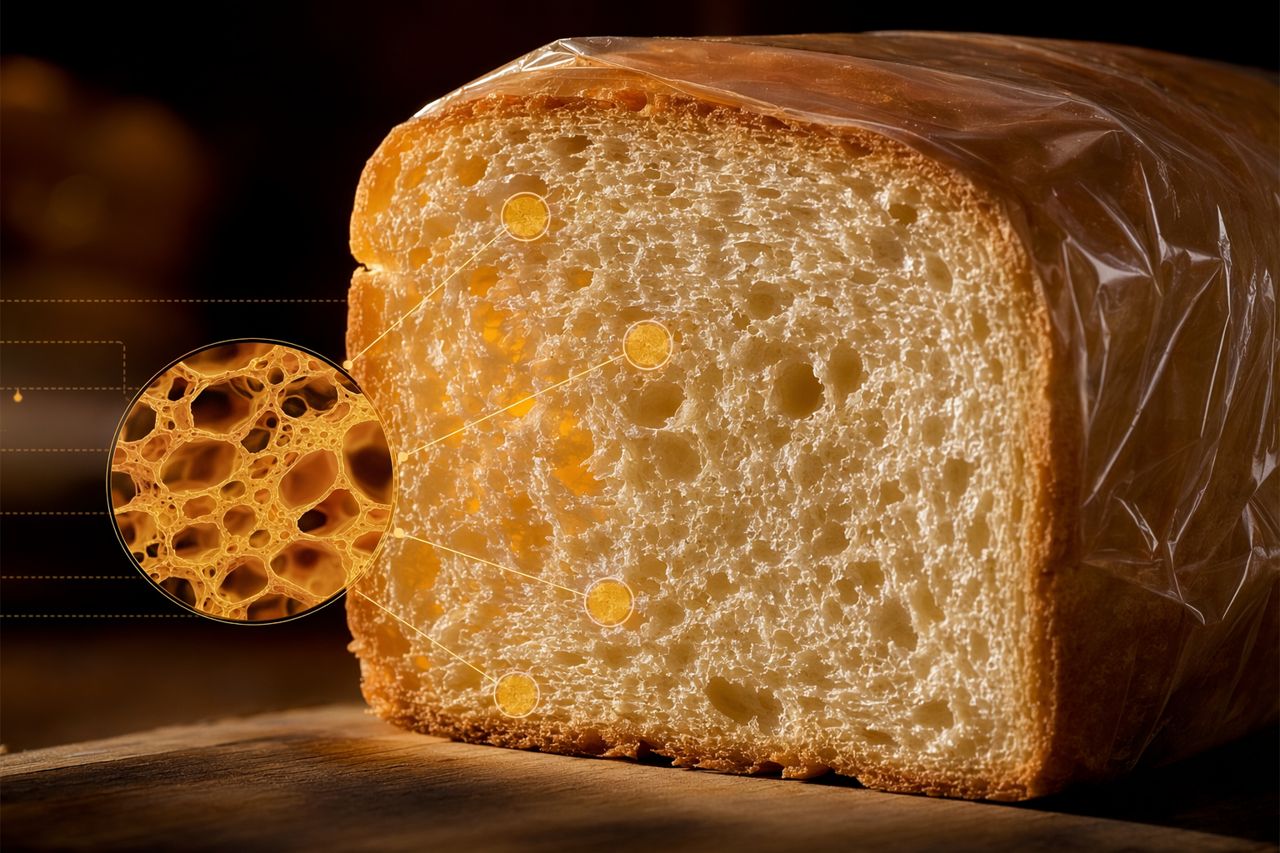
Our Maltogenic Amylase is selected for bakery systems where softness, spring-back, slice integrity, and shelf-life consistency matter as much as volume and process efficiency. It supports controlled starch modification during baking, helping slow crumb firming while preserving the tactile eating quality that consumers recognize as fresh.
Whether you are reformulating pan bread, premium buns, rolls, sandwich carriers, sweet dough systems, or soft flatbreads, CrumbSpan gives R&D, formulation, and procurement teams a focused technical supply route for one high-impact enzyme.
What Maltogenic Amylase does in bakery systems
Maltogenic Amylase acts on gelatinized starch during the bake, producing smaller carbohydrate fragments that interfere with starch recrystallization after cooling. In practical bakery language, that means slower staling, a more elastic crumb, and a softer bite across the product’s commercial life.
Formulation outcomes you can target
- Softer crumb over time without making the product feel gummy
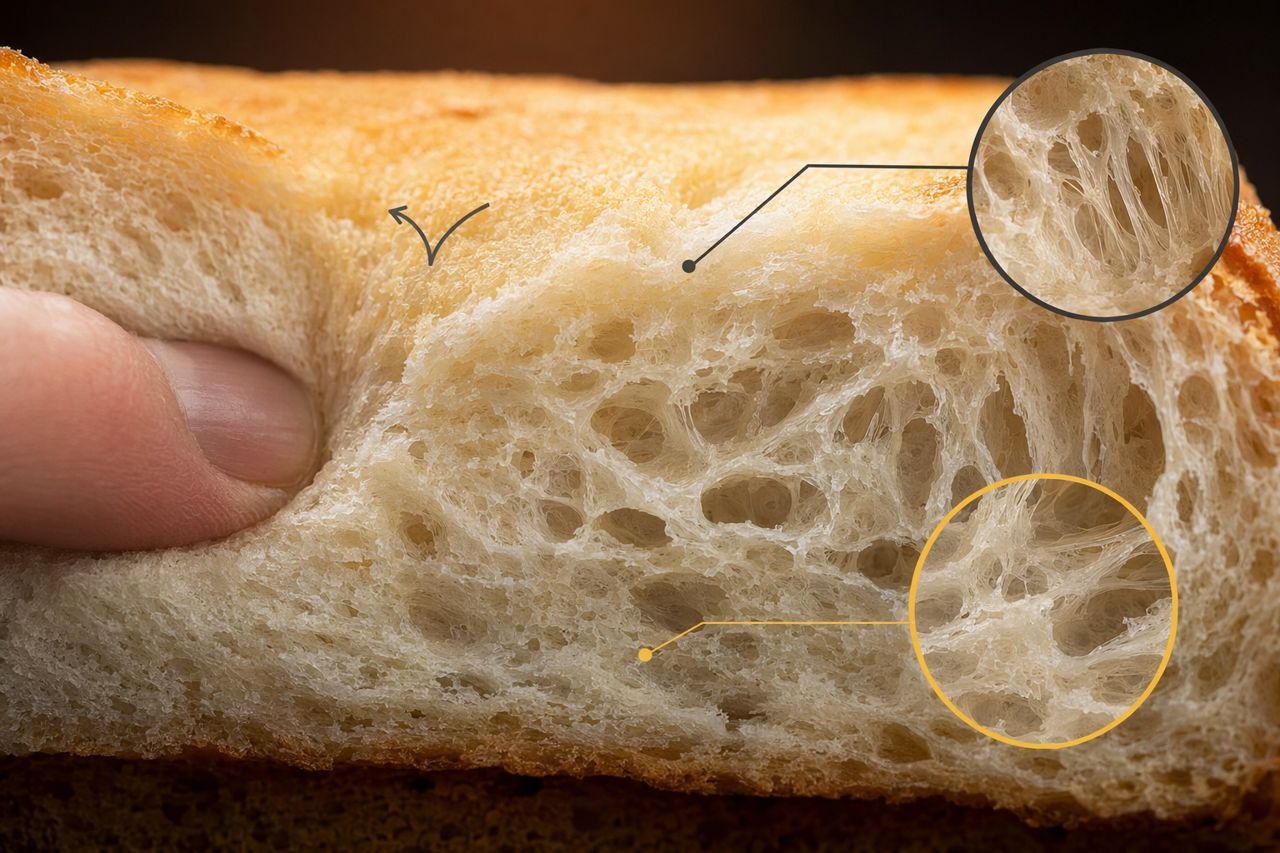
- Improved resilience and spring-back after compression
- Better eating quality in packaged bread, buns, and rolls
- Reduced perceived dryness during shelf life
- Cleaner slicing and less crumbling in optimized systems
- Support for fermentation through controlled carbohydrate availability
- More consistent freshness perception across distribution windows
Built for industrial bakery decisions
CrumbSpan is not a catalog of unrelated additives. We focus on Maltogenic Amylase because the bakery value is specific, measurable, and commercially important.
For bakery R&D teams, that means clearer formulation work. For plant teams, it means an ingredient that fits standard bakery handling practices. For procurement, it means a focused supply conversation around specification, documentation, lead time, and batch consistency.
Typical application areas
- Packaged sandwich bread
- Hamburger buns and hot dog rolls
- Soft dinner rolls
- Sweet bread and enriched dough systems
- Tortillas and soft flatbread-style products
- Frozen or chilled bakery programs where softness after distribution is critical
- Private-label bakery ranges requiring repeatable freshness claims
Why crumb softness is a starch problem
Fresh bread feels soft because its starch and gluten structure hold moisture in a flexible crumb network. Over time, starch retrogradation changes that structure. The crumb becomes firmer, drier to the bite, and less resilient.
Maltogenic Amylase helps manage that transition. By modifying starch during the bake phase, it reduces the tendency of amylopectin chains to realign into a firmer structure after cooling. The result is not simply "softer bread"; it is a more controlled crumb architecture.
That distinction matters for industrial bakeries. A product must remain soft, but it must also slice cleanly, recover after bag compression, withstand transport, and deliver the same sensory cue on day one and later in the sales window.
Performance without a commodity mindset
CrumbSpan supports bakery teams looking for disciplined enzyme selection rather than guesswork.
What we help you evaluate
- Product format and target eating quality
- Flour type, hydration, sugar, fat, and emulsifier system
- Mixing, proofing, baking, cooling, and packaging conditions
- Desired shelf-life extension and softness curve
- Label, regulatory, and documentation requirements
- Compatibility with other bakery enzymes and processing aids
We provide commercial and technical documentation for qualified buyers, including specification support, safety documentation, regulatory statements, and batch-level quality records. Activity methods and internal standardization details are handled confidentially as part of specification review.
Where Maltogenic Amylase fits in your formula
Maltogenic Amylase is typically evaluated as part of a broader freshness system. It may be used alongside emulsifiers, hydrocolloids, oxidizing or reducing systems, fungal amylases, xylanases, or lipases depending on the product and process.
The goal is balance. Too little effect may leave the crumb firming too quickly. Too much or poorly matched activity can shift texture away from the intended premium bite. CrumbSpan helps teams frame pilot trials around sensory targets, not only ingredient inclusion.
Procurement clarity for bakery manufacturers
Industrial buyers need more than a promising ingredient name. They need reliable commercial supply, consistent documentation, and a supplier that understands bakery production realities.
CrumbSpan supports B2B purchasing conversations around:
- Product specification review
- Commercial availability and lead time
- Packaging format suitability
- Documentation for quality and regulatory teams
- Trial quantities for qualified development projects
- Scale-up planning from bench to plant
- Repeat-order consistency for ongoing production
Talk to CrumbSpan
If your bakery program depends on softness, resilience, and shelf-life confidence, Maltogenic Amylase is a practical place to focus.
Use the form below to request pricing, discuss a formulation target, or ask for technical documentation. A CrumbSpan specialist will respond with next steps for your application.